Consultations offered at our three convenient locations in Encino, Glendale and Bakersfield
The treatment of gynecomastia, or male breast reduction, is one of the most popular plastic surgery procedures sought by men today. Millions of men across the country suffer from gynecomastia, which causes them to develop breast tissue. For men who suffer from this common condition, a male breast reduction represents the opportunity to once again feel good wearing form-fitting shirts or going shirtless.
Following a male breast reduction, our patients enjoy an improved chest contour and are generally less self conscious. Although the condition is quite common – about 65 percent of adolescents and 10 percent of adult males have the condition – there is still a social stigma around the development of breast tissue in men. Fortunately, our male breast reduction technique can remove the unwanted glandular tissue and fat that cause gynecomastia.
Gynecomastia is the development of “woman-like breasts” in men. As many as 65% of adolescent males and 10-15% of adult males are afflicted with abnormal glandular breast overgrowth, or breast hypertrophy.
The Surgical Treatment of Gynecomastia is ranked as one of the top five cosmetic surgery procedures performed on men by the American Society of Plastic Surgery – highlighting the disorder’s prevalence. Dr Sean Younai offers expert treatment of this disorder to patients at his practice in Beverly Hills. Hiding your chest for fear of having your “man-boobs” ridiculed can easily be a thing of the past. The fact is, Male Breast Reduction is a procedure being performed with increasing frequency for all groups of men who suffer from Gynecomastia. Wearing t-shirts, fitted shirts, or even avoid taking their shirts off at the pool or the beach need no longer be embarrassing! In all adolescent boys during normal development breast tissue naturally grows as a result of hormonal changes. As many as 65% of teenage boys experience enlarged breast tissue or Gynecomastia. This is often due to Pubertal Gynecomastia. Which resolves in a matter of months for the majority of these boys or will resolve with the end of adolescence. A significant portion however – 10-15%, remain with the symptoms through adult life.
A range of things can cause adult-onset Gynecomastia – Therefore it differs from Pubertal Gynecomastia. Potential causes are Anabolic steroids,medications, herbal or growth supplements, natural or synthetic estrogen hormone derivatives, marijuana, alcohol abuse, renal failure andchronic liver failure. Breast gland growth in males can also be stimulated by some tumors that secrete female hormones. For these reasons, it is important that an endocrinologist investigate a newly recognized case of adult-onset Gynecomastia so that he may rule out possible serious underlying causes.
Obesity is another cause of Gynecomastia which has recently become more prevalent. Fat cells, convert the male hormone testosterone into female hormone estrogen, especially when those cells are in large numbers, stimulating breast growth. Some men experience a deficiency in Testosterone levels – leading to the development of Gynecomastia in advanced age.
Usually irreversible, Adult onset Gynecomastia can be corrected through a variety of surgical treatments such as Male Breast Reduction, Mastectomy, and/or Liposuction.
The development of enlarged breasts in men is a common condition. In fact, it is estimated that more than half of adolescent boys develop this condition. According to the American Society of Plastic Surgeons, between 30 and 60 percent of all people with gynecomastia are adolescents. In most cases, the condition clears up before adulthood. This is because gynecomastia is closely associated with hormonal changes in the body. For men whose gynecomastia fails to resolve after puberty, or those who develop the condition as adults, there are a number of factors that contribute to the development of enlarged male breasts.
Contributing Factors
Hormones: Changes in hormones can lead to the development of breast tissue in men. Because these are common during adolescence, many boys develop gynecomastia during this period. Men who experience hormonal imbalances can develop the condition as adults. Also, the presence of excess fatty tissue can cause the body to produce more estrogen, which can lead to the development of breast tissue.
Drug and Alcohol Abuse: The use of certain drugs, especially anabolic steroids, can lead to the kinds of hormonal changes that cause gynecomastia. There are also correlations between this condition and the use of other drugs and medications, including antifungals, cardiac medications, alcohol, and marijuana.
Tumors: Certain tumors secrete hormones like estrogen, which can lead to the development of breasts in men. An endocrinologist should be consulted to rule out these causes in cases of adult-onset gynecomastia.
Because enlarged male breasts are typically composed of both glandular and fatty breast tissue, a number of factors can contribute to their development. The condition can be present in one or both breasts. When developed during adulthood, surgery is usually the only option for effectively correcting gynecomastia. Fortunately, Dr. Younai can use a variety of surgical options to remove the breast tissue and restore your confidence.
Male breast reduction involves making an incision is made at the periphery of the areola and surgically removing the glandular breast tissue. In those who have more fatty breast tissue, this can be accomplished via small stab incisions with Liposuction. In severe forms of Gynecomastia there is significant excess of sagging breast skin which is removed by several methods; Inverted-T or Peri-Areolar Breast Reduction. It is not infrequent to need subsequent surgery to further reduce the size of the areola and nipple, or to further lift and reduce the hanging breast skin.
There are two main surgical techniques that must typically be used in order to effectively remove the breast tissue. Because gynecomastia is usually marked by the presence of both glandular and fatty breast tissue, both techniques are generally needed to prevent the condition from recurring. These surgical procedures are:
Liposuction
Excision
Liposuction is used to remove excess fatty tissue from the breasts. In some cases, liposuction alone can be effective for correcting gynecomastia. Dr. Younai will make small incisions in the breasts, using a metal tube known as a cannula to break up and suction out the fat. Ultrasonic-assisted liposuction, which uses ultrasonic waves to liquefy the fat, is especially useful on this part of the body. However, because there is usually fat and glandular breast tissue present, liposuction alone will not fully resolve the issue.
Excision is used to remove the excess skin and breast tissue. Dr. Younai will make several incisions through which he will remove the excess tissue. If necessary, he can also reposition the nipples during this procedure.
By combining these procedures, a natural male contour can be restored to your chest. You can go back to wearing your favorite shirts, enjoying days at the beach, and worry-free intimacy. And because the fat and glandular tissue is removed, the chances of recurrence are severely reduced.
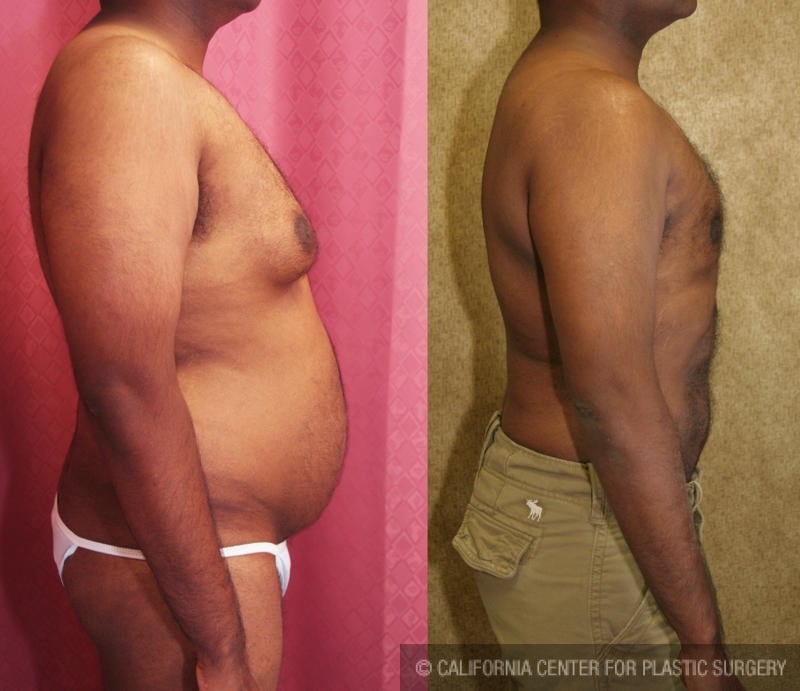
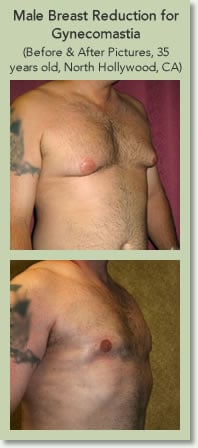
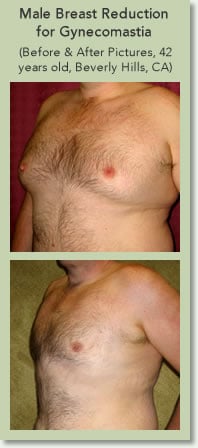
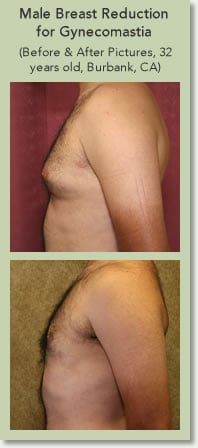
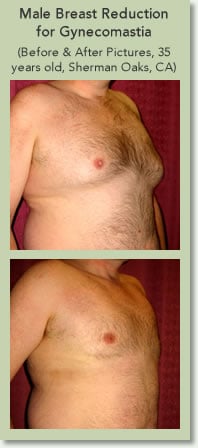
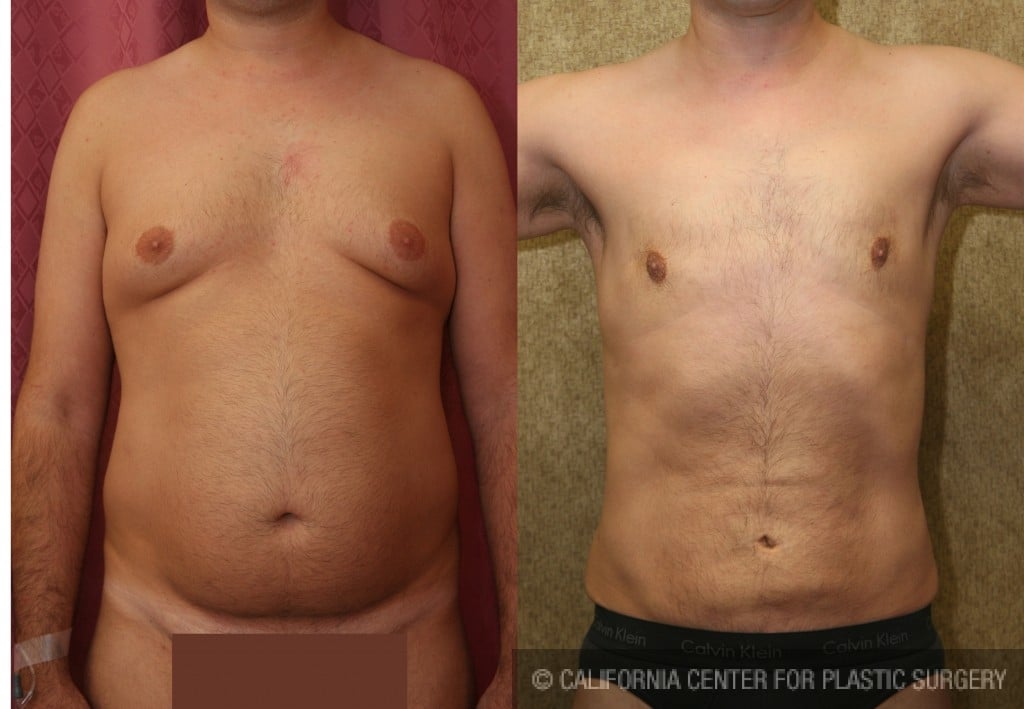
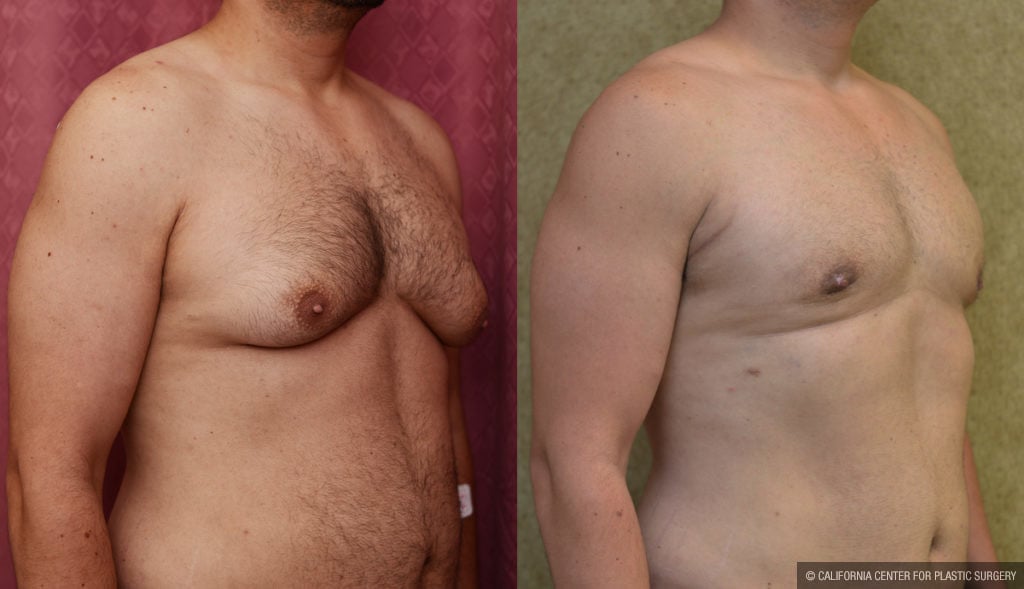
Board Certified Cosmetic Plastic Surgeon Dr. Sean Younai is experienced in all treatments for Gynecomastia- Male Breast Reduction and Band Liposuction. During your consultation he will discuss all details including: if you are a good candidate, surgical options and techniques, potential risks and complications of surgery, pre- and post-operative instructions, and recovery course, as well as what to expect after surgery. At that time Dr. Younai will also show you before-and-after pictures of other patients who might be similar to you with Gynecomastia and have had Male Breast Reduction.
Gynecomastia refers to the development of breasts in men. The word Gynecomastia has a Greek origin that means “women-like breasts.” A torment for many males, it affects 40 to 65 percent of adolescent males and approximately 10 to 15 percent of adult men. Ancient Egyptian sculptures have depicted men with large breasts. Even the famous philosopher, Aristotle, is reported to have had Gynecomastia. The earliest known writings describing the surgical treatment of Gynecomastia via removal of male breasts were dated as early as 690 A.D.
“My doctor told me to ignore the problem because it would go away. But the torment that I suffered from the time I developed breasts at age 12, until I finally had surgery this year, was constant. My classmates nicknamed me “Boobs.” Some even called me “Bitch Tits,” which was mortifying. I was embarrassed to wear any fitted clothing. Girls offered me their bras. I was terrified to date. It was only when I had my breasts reduced this year that I started to feel okay about my body.”
Jack, age 33
Yet, Gynecomastia only recently truly came out into the open. According to the American Society of Plastic Surgery, the number of surgical procedures to correct Gynecomastia increased nearly 50 percent from 1997 to 2001, the year that a reported 16, 512 men underwent the procedure. This placed Gynecomastia surgery in the top five of the most common plastic surgery procedures performed on men. The website gynecomastia.org gets 100,000 visits each month worldwide, showing the prevalence of concern about this condition.
No longer do physicians tell men to “just live with” Gynecomastia. In fact, Male Breast Reduction is being increasingly performed for all groups of men who suffer from Gynecomastia. They no longer need be embarrassed by wearing form-fitting shirts, t-shirts, or even avoid taking off their shirts at the pool or the beach!
Male breast reduction begins with the removal of breast tissue. This glandular tissue must be cut out through small incisions around the areola. Any fat can be removed through a small incision using liposuction. The goal is to give your chest a firm, smooth contour that looks masculine. This includes reducing any puffiness in your nipples, which usually goes away once the breast tissue has been excised.
In some cases, the skin on the chest may be stretched or sagging. Dr. Younai can use one of several techniques to remove this excess skin and create an aesthetically pleasing result. The inverted T or peri-areolar incision types are usually used in these cases. They are used to remove excess skin and reposition the nipple higher up on your chest once the fat and glandular tissue has been removed.
What Is Gynecomastia?
Gynecomastia is the condition of abnormally overdeveloped and enlarged breast tissue in men. In Greek, gyne means “woman” and mastos means “breast.” The Gynecomastia can affect either one, or both, breasts, to differing degrees. It is caused, not only by an increase in “adipose” (fatty) tissues, but also by the hypertrophy or overgrowth of the glandular breast tissue, as well.
Symptoms
In one third of the cases, Gynecomastia is “unilateral,” appearing in just one breast. For reasons that are unknown, unilateral Gynecomastia tends to be more common in the left breast.
Usually, Gynecomastia presents as a marble-like lump under the nipple of the breast, which then leads to large, swollen areolas – the colored area around the breast. In more serious cases, this can lead to “C” or “D” cup breasts, made of both breast tissue and fat. The overdeveloped breast gland can actually produce milk which presents as a small amount of staining on a teenager’s shirt.
Other symptoms include water retention, due to an increase in estrogen levels. Also, there are times when there is associated breast pain or tenderness.
Classifications
In the 1930’s, Gynecomastia was classified into three categories. One was glandular, referring to an overabundance of thick glandular breast tissue as opposed to fatty tissue. In this case, surgical removal of the breast gland is required.
A second type is “fatty glandular,” where there is a combination of fatty and glandular breast tissue over-development. In such cases, surgery is combined with Liposuction for better contouring of the breast.
The third type is “simple fatty” where very little fibrous breast tissue exists, so that breasts can simply be reduced in size with Liposuction.
Abnormal Breast Growth
Neonatal period— An estimated 60 to 90 percent of infants have transient Gynecomastia, caused by the mother’s estrogen. Although this is something that first concerns all new parents, it is not a reason for alarm and generally resolves completely by the time the infant is one year old.
Puberty Period— Normal hormonal changes during puberty stimulate breast growth. Gynecomastia developed during puberty affects up to 65 percent of boys, even as early as 10 years of age. In a majority of cases, breast tissues regress to normal size by the end of puberty. However, in about 10-15% of cases, Gynecomastia persists into adulthood.
Geriatric Period— Men after the ages of sixty can experience a reduction in body Testosterone levels, leading to the development of breast tissue, testicular atrophy, and loss of libido.
Diagnostic Tests
In addition to a complete medical history and physical examination, you will probably undergo blood tests for liver function, hormone levels, thyroid function and urinalysis. A physician such as an endocrinologist who specializes in hormonal issues will analyze your tests and examinations in order to determine the underlying causes of Gynecomastia. There are times when further testing including CT scan, PET scan, and even biopsies are used to assist in making a diagnosis. Fortunately, a majority of cases of Pubertal Gynecomastia are benign and do not need any medical treatments.
Similar Conditions
Psuedogynecomastia is a condition where obese boys and men retain excess adipose or fatty tissue in their chest, giving them the appearance of having developed breasts. However, this is distinct from Gynecomastia in that the buildup of adipose tissue is not localized only to the breast area, but involves the entire chest. Another distinguishing feature of Psuedogynecomastia is the lack of firm sub-areolar glandular breast tissue.
Because Psuedogynecomastia is caused by obesity, usually weight loss will resolve the problem. In those with extremely large breasts, or with long-lasting and irreparable Psuedogynecomastia, surgical treatments include Liposuction, Liposuction-assisted breast reduction, or even mastectomy.
Breast Cancer
Often, men with Gynecomastia fear that they have developed breast cancer. However, this is almost never the case. Breast cancer can develop in men as well as in women. Its incidence is estimated to be 0.2 percent of all malignancies in men, and it is not associated with Gynecomastia. Thus far, clinical studies have failed to show any relationship between breast cancer and Gynecomastia, although drug-induced Gynecomastia, and Gynecomastia caused by long-term exposure to estrogen are believed to increase the risk of breast cancer in men. Unlike Gynecomastia, breast cancer in men generally presents as a unilateral firm mass, and is often not centered beneath the areola in contrast to the case of Gynecomastia.
Mature males who develop Gynecomastia in one breast should be alert to the possibility of Breast Cancer, and be examined by their physician, who will probably recommend testing, before proceeding with cosmetic surgery.
Causes
Breast tissue naturally grows in all adolescent boys during normal development. It presents as a tender mass beneath the areola (the colored area that surrounds the nipple) that is one to five centimeters in diameter. Frequently adolescents complain of pain in their breasts, particularly when they are wearing binding clothing. One estimate is that as many as 65 percent of teenage boys experience enlarged breast tissue or Gynecomastia. For the fortunate majority of these males, this condition resolves in a matter of months, or with the end of adolescence. For a significant portion, however – an estimated 10 to 15 percent – the symptoms remain throughout life.
Unlike pubertal Gynecomastia, adult-onset Gynecomastia has a range of causes. The potential causes of Gynecomastia in adults include medications, steroids, herbal or growth supplements, natural or synthetic estrogen hormones, marijuana, alcohol abuse, and chronic liver or renal failure. There are also some tumors that secrete female hormones which stimulate breast gland growth. Therefore it is important that newly recognized adult Gynecomastia be investigated by a physician (i.e. endocrinologist) in order to rule out possible serious underlying causes.
Another cause of Gynecomastia which has recently become more prevalent is Obesity. Fat cells, especially in large numbers, convert the male hormone testosterone into female hormone estrogen, which stimulates breast growth.
There is also a syndrome known as “re-feeding Gynecomastia.” This was first noted following World War II, when men liberated from prison camps developed Gynecomastia within a few weeks of resuming an adequate diet. The symptoms last between one and two years, and then resolve without treatment. This appears to be similar to the Gynecomastia that resolves spontaneously during puberty.
“I would never take off my t-shirt in front of my team mates in the locker room. I would always make excuses not to go to the beach with the rest of my friends. I always used to wear baggy shirts with several undershirts in order to hide my breasts. I wish I knew earlier that there is a solution for my problem. After having surgery to reduce my breasts, I feel less self-conscious and free to join my friends in water activities.” — David S., age 27
Another type of Gynecomastia is associated with Dialysis – treatment for renal failure. Studies show that Dialysis-associated Gynecomastia also improves spontaneously in one to two years.
Adult onset Gynecomastia is usually irreversible unless corrected through a variety of surgical treatments such as Male Breast Reduction, Mastectomy, and/or Liposuction.
Natural Changes During Puberty
Often, Gynecomastia is caused by hormonal changes during puberty. Glands such as the thyroid gland and the testes direct hormonal variations throughout the body. An alteration in the intricate balance between the female hormone, estrogen, and the male hormone, testosterone, during teens can cause Pubertal Gynecomastia. An estimated 40-60 percent of adolescent boys are affected by this — usually by the age of 14.
“A few months ago, I noticed that I was growing breasts, and I was mortified. I wanted to do anything to get rid of them – even take a knife to myself. I don’t even want to go to summer camp, or be anywhere in public, until I get rid of these.” — Jeremy, age 14
Generally, this overgrowth of breast tissue in adolescent boys subsides without treatment within two years in 75 percent of boys, and within three years in 90 percent of them. Only 10 to15 percent of adolescents keep their breasts into adulthood. Not all breast growth in males is considered abnormal. An experienced cosmetic surgeon can determine what is “excessive.”
Adult-Onset Gynecomastia
Gynecomastia that does not begin during puberty and first develops during adulthood can be caused by a variety of things including:
Anabolic steroid abuse, use of estrogen medications in men who want to develop female features, Chronic Liver Disease including that caused by alcohol abuse, a large variety of medications such as Digitalis and other heart medications, Anti-anxiety and Antidepressant medications, Chemotherapy drugs, Marijuana Use, some diet or “Health supplements”, Obesity, Aging, Tumors, Genetic Disorders such as Klinefelter and Gilbert’s Syndrome.
Drug-induced Gynecomastia accounts for about one quarter of the cases. In another 25 percent of cases, there is no identifiable cause.
Steroid Abuse
We’ve all heard the denials of illegal steroid use by top athletes. Yet, according to the National Institute of Drug Abuse (NIDA), improving sports performance is one of the main reasons that people abuse anabolic steroids- anadrol, oxandrin, dianabol, winstrol, decadurabolin and equipoise. One study cited by the NIDA showed that more than one half of male bodybuilders had Gynecomastia. It is ironic that the same bodybuilders, who abuse steroids in order to develop more masculine features, can instead develop feminine breasts.
Steroid Hormone Supplements
Steroids such as estrogen are prescribed legally for certain kinds of anemia and for men who are suffering the side effects of very high levels of testosterone. Unfortunately, one of the side effects of hormonal steroid use is the disruption of male hormone production. In men, this disruption occurs when the enzyme aromatase breaks testosterone down into estrogen, a female hormone. The estrogen then stimulates “estrogen receptors” through the man’s body, such as the nipples of the breast. This is why men with Gynecomastia are often described as having “Bitch Tits.” Some of these side effects are reversible, as in the case of reduced sperm production and the shrinking of testicles. However, one of the irreversible side effects is Gynecomastia.
Medications
Many medications including some of the following carry a potential side effect for the development of Gynecomastia: Adalat, AdalatXL, Amitriptyline, Anafranil, Carbamazepine, Chlorpromazine, Cimetidine (Tagament), Clonazepam, Elavil, Fluphenazine Decanoate, Humegon, Nutropin, Prostate Cancer Drugs, Protriptyline, Protropin, Spironolactone, Thiothixene, ZANTAC, Zoloft.
Chronic Liver Disease
The human liver plays a central role in the breakdown and metabolism of toxins such as alcohol, as well ask in the production of many of the body’s essential proteins used in the synthesis of a variety important hormones. Prolonged damage to the liver tissue referred to as Chronic Liver Disease leads to the irreversible destruction of the liver tissue- Cirrhosis. Although Alcohol is the most common cause of chronic liver disease or cirrhosis, there are also other congenital or infectious causes of liver damage. A severely damaged liver can no longer produce the necessary hormones in males, which can lead to a relative excess of body estrogen levels, thus resulting in the development of Gynecomastia.
Obesity
Fat cells, especially when in large numbers, convert the male hormone testosterone into female hormone estrogen, which stimulates breast growth.
Aging
Men after the age of sixty can experience a reduction in body Testosterone levels, leading to the development of excess breast tissue, testicular atrophy, and loss of libido.
Genetic Disorders
Klinefelter Syndrome is a genetic disorder that occurs at conception in males only. These males have two copies of the X chromosome instead of the normal single X chromosome that comes from one or both parents. Symptoms of this syndrome include the abnormal enlargement of one or both breasts in men, hard, tiny testicles that never grow, infertility, an incomplete masculine body build, and, at times, a lack of coordination and ability at athletics. These symptoms are due to the syndrome’s impairment of testosterone production that assists in the development of male characteristics, such as facial hair, muscle development, deepening of the voice and the lengthening of the penis.
Other symptoms may include speech and language problems, shyness, hand tremors, difficulties in concentrating, dyslexia, and an arm span that is usually two inches longer than the male’s height, decreased libido, female body hair distribution and infertility. However, its most common symptom is Gynecomastia.
Gilbert’s Syndrome is a congenital liver disorder, believed to be hereditary, that is found more frequently in males. Characterized by a mild, fluctuating increase in serum bilirubin, a yellow pigment excreted by the liver into bile, it occurs in approximately three to seven percent of the adult population. However, the onset of Gilbert’s Syndrome usually occurs in adolescence or early adulthood. While it is considered a relatively benign condition, one of its side effects can be Gynecomastia.
Preparation
The surgeon will provide very specific instructions prior to surgery so you will have an optimal and safe experience. These include what medications to avoid to prevent excessive bleeding and bruising, required medical exams, what to eat and drink prior to surgery, and the prescription of an anti-nausea pill to take on the morning of the surgery. In all cases, you will be asked to have a reliable friend or family member take you home after the surgery, as you will not be allowed to drive.
You need to purchase two surgical chest vest compression garments that fit you comfortably, before surgery. You can purchase these either on-line from plastic surgery garment companies, or through your plastic surgeon’s office. Bring these garments with you to the surgery center on the day of your surgery. You are expected to be wearing these over a t-shirt for about 4-6 weeks after surgery, therefore, spend some time and attention to get a compression garment that fits you well and is comfortable.
Have some comfortable shirts available to wear during the first four weeks after surgery. You don’t have to wear larger size shirts, but just comfortable ones.
Tend to all of your chores and to do things before your surgery so you don’t have to worry about taking care of things early during your recuperation. You are not allowed to engage in heavy lifting for several weeks after surgery. This means if you should make arrangements for someone to help you with your heavy lifting chores for two weeks after surgery.
Have your hair cut, pay your bills, and take your dog to the vet before your planned day of surgery!
If you an avid tanner, don’t tan your chest for two week before, and six weeks after, your surgery. Any sun or tan burn of your chest skin can potentially increase the risk of having scarring.
If you routinely have your chest hair removed, avoid doing this for two weeks prior and six weeks after surgery.
Rent your favorite movies, and leave easily prepared foods and snacks in areas where you will not have to lift or reach.
Place all of the medications, tissues, reading materials, water bottles on one table, within easy reach.
Have ice cold cola drinks, ginger ale, or sport drinks close to your bed. Avoid drinking too much plain water after surgery, because it makes you more nauseated.
After surgery take your nausea pill about one hour before your other medications to lessen nausea. Also, have some over-the-counter anti-acids available at your bedside.
Some surgeons recommend putting cold packs on your chests afterwards. In my opinion, even though cold might lessen the inflammation, it can also cause frostbites or skin damage while your chests are numb after surgery.
Arnica Montana or Bromelain homeopathic herbs have been used in Europe for centuries to treat swelling, soreness and bruising. When properly prepared, Arnica may significantly decrease the healing time or the appearance of such. There are many formulations from different companies. Sublingual (under the tongue) types are the most often recommended for plastic surgery. I have seen variable results with its use. There are some patients that did not benefit from it and other who appeared to benefit. Therefore, I am open to its use if a patient would like to use it.
Your Surgeon
Generally, both Plastic Surgeons and General Surgeons are qualified to treat Gynecomastia. Although general surgeons who specialize in breast cancer surgery have experience in the removal of breast tissue for procedures such as Mastectomy, their emphasis and approach at times is different than that of plastic surgeons. The best surgeon to treat Gynecomastia is a plastic surgeon who will be in tune with the aesthetic outcome of your surgery, and who is highly experienced in performing the procedure.
As importantly, you should choose a plastic surgeon who is “Board Certified” by the American Board of Plastic Surgery. This assures that the surgeon has not only completed most rigorous cosmetic plastic surgery training but has kept to the highest standards of plastic surgery practice.
When you interview physicians, be certain that they can share legitimate “Before and After” photographs of their work. Discern your comfort level with this physician, and whether all of your questions are willingly addressed. Also importantly, consider the quality of his or her staff and of the facility where surgeries are performed. The credentials of the Surgery Center Facility reflect the degree of safety that is utilized during your surgery.
“Because of the severity of my son’s case, nearly every doctor we interviewed wanted to treat him as a way to expand his or her practice, or for the notoriety of it. But none of them had experience managing Gynecomastia surgery for teenagers. One surgeon had never even worked on a male patient, yet recommended Liposuction combined with the removal and rearrangement of both of my son’s nipples. Finally, my husband and I realized that, to get the best treatment from a surgeon experienced in treating Gynecomastia, we would have to travel out of state.” — Mother of a 14-year-old with severe Gynecomastia
Also, the credentials of the anesthesiologist who will sedate you are extremely important. Some plastic surgeons employ a nurse anesthetist, rather than a physician anesthetist, or even administer the anesthetics themselves. The safest practice is to use a surgeon who employs a “board certified” physician anesthesiologist.
If you are older than 45 years, or have heart disease, we require a pre-operative EKG, which would either be done by your internist, cardiologist, or at our facility. Heart disease and all other medical illnesses need to be monitored first by an internist or specialist.
If you are anemic, or have a low blood count, please notify our office well in advance of surgery so that we can start you on Iron supplement. You cannot have liposuction if you are anemic.
Pre-operative laboratory blood and urine tests are done usually within 10 days of your surgery date. If you do have health insurance this might be covered, otherwise, the laboratory will charge you.
If you have specific medical illnesses, allergies, or physical handicaps, please notify our staff during your pre-operative visit.
Please refrain from taking any Aspirin, Aleve, Advil, Motrin or other NSAID for ten days prior to your surgery. These drugs can increase the incidence of bleeding and bruising.
Do not drink or eat after midnight on the night before your surgery. This means no coffee or breakfast in the morning of your surgery. You should take all of your medications with a little water.
Please remove and leave behind all jewelry, watches, and body rings before you come in for your surgery. Please do not wear any makeup, or perfume.
Before leaving home for your surgery, take one “nausea pill” — COMPAZINE — with a little water.
Please wear comfortable and loose clothing the day of surgery. It would be helpful if you wear front open tops and loose sweatpants.
We ask you to check the fit of your compression garment in advance and to bring it with you to surgery.
You should make arrangements for a responsible adult friend or family member to take you home after surgery. You are not allowed to drive yourself home or take a taxi. After surgery, this caregiver is required to stay with you and to monitor and assist you for at least the first 24 hours after surgery. If you don’t have such a person, please let us know in advance so that we can help you make arrangements for a stay at an after-care facility or hospital.
Having a support system of family, friends or a professional caregiver in the days following surgery is of the utmost importance, as the patient will need assistance with everyday tasks, such as going to the bathroom.
Recovery
Following your male breast reduction procedure, Dr. Younai will be available to guide you through the recovery process. He and the rest of our staff are available to handle any questions that you may have.
Although it may take several weeks for your bruising and swelling to go away, most patients are able to return to work within seven days following gynecomastia surgery. Although you will have some muscle bruising and pain, you may resume working out within this time frame as much as you feel comfortable. The results of your procedure should be noticeable immediately.
When patients leave the surgery facility to go home, they are usually groggy for about 12 hours or overnight. That is why it is very important to have someone who can assist you with getting around and taking your medications for at least the first 24 hours.
Considerations
Make sure that you have all your medications, cold drinks, and towels at your bedside.
Most people are nauseated during the first 24-48 hours. To reduce this, we suggest that you take your nausea pill one hour before taking your pain pills or antibiotics. While it is good to drink plenty of liquids, please refrain from drinking plain water or acidic fruit juices because they will make you more nauseated.
Do not be alarmed when blood-tinged fluid oozes from your incision sites and stains your garment. This is a normal and usually stops within half a day. The surgeon leaves these tiny incisions partially open so that the liquid spills out, thereby minimizing bruising. You should cover your bed to avoid staining from this fluid.
There will be some swelling and some minimal bruising which dissipates five to eight weeks following surgery. Despite this swelling, your chest would be flatter than its original size. However, you should wait to buy new clothing until your size has stabilized.
Following Gynecomastia surgery, you are placed in a vest-like compression garment that covers your chest. Do not remove this until your doctor instructs you to do so. We usually have the patient remove their garment and to take a shower after 2 days. The incision sites and sutures can get wet in the shower. After your first shower you need to apply Vaseline or heavy lotion all over chest and nipples. You should massage these areas deeply about three times a day for about six weeks. Sometimes, patients whose skin was not firm and elastic will experience dimpling or wrinkling of the skin. These can be eliminated or minimized by massaging and early exercise.
All contoured areas stay numb for four to eight weeks. Massage will help to desensitize your chest skin and nipple in order to avoid hypersensitivity or skin irritation.
The most important way that a person can contribute to having a great result is by being meticulous about conducting massage.
Most patients will have ¼ inch incisions that will heal and become for the most part unnoticeable. There are times when larger incisions are made over the areola in order to remove the fibrous glandular breast tissue. These incisions usually heal well with minimal scarring.
Patients will also feel a bruise-like or muscle cramp-like pain, particularly in the areas where fat was removed, and which will be addressed through a prescription from your surgeon.
Antibiotics are prescribed to reduce the risk of infection.
Patients can hasten their recovery by moving as much as they can, to increase their circulation. Many will find this difficult but should push themselves to take at least small steps. The walking will reduce your risk of blood clots. It is helpful to elevate the areas where you had liposuction, by placing pillows under those areas.
Compression Vest Garments should be worn 24 hours a day for three weeks, and then during the daytime for the next three weeks. This will help to reduce swelling, and to help shrink the skin.
Tips for Your Family & Significant Others
The support of your family and loved ones can be as important to your healing as following your physician’s medical directives. Their understanding of the pain, discomfort, and at times, the roller coaster of emotions, that you might experience can make all the difference in having an optimal outcome.
Here are some tips for your Family & significant others that will be helpful to them in helping you:
You should be available as a full time caregiver for at least 24 hours to help the patient with the tasks that are normally taken for granted, like being able to walk to the bathroom.
You, or someone, should care for the patient’s children for a minimum of two days, and be sure that he has assistance in lifting young children for several days after your surgery.
Help with pet care. Someone should walk them, feed them and clean up after them for at least several days.
Prepare to help the patient address the swelling that he will experience, according to his physician’s instructions. This may include massaging the chest.
Know that he may experience mood swings and feel irritable– especially in the first couple of weeks. This is a normal aftermath of major surgery.
Encourage him to drink lots of water – to address bloating and to keep him hydrated.
Remind the patient to not fight the pain – to go with the flow, and take his medications as directed. It is not good to try and be a hero!
Give lots of compliments. He may be fearful because it will take some time before his breasts and chest appear as they should. He has a lot of healing to do!
Prepare simple and easily digestible foods, such as scrambled eggs or Jello.
Remind and reassure him that things will get better and less uncomfortable soon!
Be there when he goes to have his bandages removed, to support him through any discomfort that he may be feeling.
As far as sex is concerned, let the patient take the initiative.
Some patients feel scared that they might harm their chests if touched or manipulated after surgery. Have him ask his doctor about this and get some reassurance.
Some patients feel depressed or regretful about having undergone surgery. Sometimes they don’t know how to handle the attention or questions that a new appearance brings about. At the same time, significant others can develop uneasy feeling about the fact that you underwent such surgery. It is good to talk about your feelings and to even seek outside help if you can’t resolve some ambiguities.
Resume Work and Exercise
Most patients can resume normal activities in about seven days following male breast reduction surgery. You can even resume exercising within that time frame. However, you should resume activity only as is comfortable for you. You will probably be restricted as to lifting, pushing and pulling because your muscles will be bruised. Most patients return to work in about a week.
Pain
Male Breast Reduction Surgery is usually more painful than Liposuction of the abdomen or other body areas because it bruises the chest muscles. The worst of the discomfort is during the first 24-48 hours after surgery which feels like burning and muscle cramps. This pain can be well managed with the prescribed narcotic medications. Lubricating the chest area during the massaging phase also helps to reduce the dryness and irritation of the chest skin. Massage of the chest skin and nipples also help desensitize these areas and to reduce their sensitivity during the recuperation phase.
Resume Sexual Relations
Gynecomastia surgery does not hinder your ability to have sexual relations. However, you should resume sexual activity only as you feel comfortable in doing so. The desire to resume having sex varies from patient to patient.
Stamina
As with any major surgery, Male Breast Reduction Surgery will have an impact on your energy level. While you can resume normal activities within a week, you will experience variations in your stamina, sometimes from day to day. While there will be days when you feel as you did prior to surgery, you will not feel 100 percent yourself consistently in the four to six weeks following surgery. Sometimes you will feel a burst of energy, and sometimes you will feel exhausted, possibly without any warning. You should feel prepared for this ebb and flow in your stamina.
“I was in the Recovery Room only a few hours after surgery, and then I went home. I had expected much pain. But in my case, there was very little. I only took a few of the prescribed painkillers that I was given, and I was able to return to work in just three days. I couldn’t be happier with the success of my surgery!”
Jack, age 24
Tanning
You may not tan your chest area for a minimum of 3 weeks and not until all the bruising and swelling has subsided. Tanning while you have bruises can make these areas stay pigmented.
Swimming
You should refrain from getting your incision sites exposed to potentially dirty water for at least four weeks after surgery or while your incisions are still red and fresh looking. Otherwise, you can potentially increase your chance of developing an infection.
Scarring
Sometimes, a patient will have to choose between having remaining loose skin after surgery, and scars that are noticeable. For a male with very large breasts, the decision is easier to make in favor of the scarring, as, otherwise, there will be massive hanging skin that drapes in folds. For less severe cases of Gynecomastia, the cosmetic surgeon and the patient will need to thoroughly discuss what types of incisions and resulting scars are acceptable. Despite knowing how long your scars are going to be, no one can predict if you are going to develop thick hypertrophic or keloid scars.
Healing
Unlike many surgeries, the new look is almost immediately noticeable. However, there will be some swelling before the full effect of your cosmetic surgeon’s sculpturing shows at about eight weeks. Although your chest will be flat immediately it might take some time for the skin to shrink and its contour to improve. Also, the tissues beneath the skin that have been sculpted can remain hard for a while, before they soften during the healing process. Following surgery, you will be required to wear a compression garment to keep the chest flattened and the swelling minimal. Some men find this uncomfortable, but it is temporary, and will not show through your clothing.
What Are the Risks and Complications of Gynecomastia Surgery?
Every surgical procedure including Gynecomastia Surgery involves a certain amount of risk and it is important that you understand these risks and the possible complications associated with them. In addition, every procedure has limitations. An individual’s choice to undergo a surgical procedure is based on the comparison of the risk to potential benefit. Although the majority of patients do not experience these complications, you should discuss each of them with your plastic surgeon to make sure you understand all possible consequences of gynecomastia surgery. The following are those defined by the American Society of Plastic Surgeons.
Bleeding
It is possible, though unusual, to experience a bleeding episode during or after surgery. Should post-operative bleeding occur, it may require an emergency treatment to drain the accumulated blood or blood transfusion. Do not take any aspirin or anti-inflammatory medications for ten days before surgery, as this may increase the risk of bleeding. Non-prescription “herbs” and dietary supplements can increase the risk of surgical bleeding. Hematoma can occur at any time following injury. Intra- or Post-operative blood transfusions may very rarely be required. If blood transfusions are needed to treat blood loss, there is a risk of blood-related infections such as hepatitis and HIV (AIDS). Heparin medications that are used to prevent blood clots in veins can produce bleeding and decreased blood platelets.
Seroma
Fluid accumulations infrequently occur in between the skin and the underlying tissues. Should this problem occur, it may require additional simple procedures for drainage of fluid.
Infection
The chance of infection is very low with this type of surgery, considering that you are going to receive prophylactic antibiotics. Should an infection occur, additional treatment including antibiotics, hospitalization, or additional surgery may be necessary.
Change in Nipple and Skin Sensation
You may experience a diminished (or loss) of sensitivity of the nipples and the skin of your breast. Loss of nipple sensation can occur after gynecomastia surgery in one or both nipples. Massage during your recuperation phase helps reduce hypersensitivity of the skin when the sensation returns. Changes in sensation may affect sexual response. In rare circumstances the nipple may be lost entirely due to poor circulation and/or smoking.
Pain
You will experience pain, burning sensation, and skin irritability after your surgery. These symptoms of varying intensity and duration may occur and persist after gynecomastia. Chronic pain may occur very infrequently, sometimes from nerves becoming trapped in scar tissue and other times for no hard reasons at all.
Skin Contour Irregularities
Contour and shape irregularities including visible and palpable wrinkling and dimpling may occur. Although the majority of these resolve over time with the help of massaging, some may remain. One breast may be to a degree smaller than the other as it always is in normal non-treated chests. Nipple position and shape will not be identical one side to the next, depending on the original position of your nipples, as well as how your skin shrinks. Residual skin irregularities at the ends of the incisions or “dog ears” are always a possibility when there is excessive redundant skin. This may improve with time, or it can be surgically corrected. Nipple retraction may occur after gynecomastia surgery as a result of skin shrinkage, which can be corrected.
Skin Sensitivity
Itching, tenderness, or exaggerated responses to hot or cold temperatures may occur after surgery. Usually this resolves during healing, especially with massaging; but in rare situations it may be chronic.
Skin Discoloration / Swelling
Bruising and swelling normally occurs following gynecomastia surgery. The skin in or near the surgical site can appear either lighter or darker than surrounding skin. Although uncommon, swelling and skin discoloration may persist for long periods of time.
Scarring
All surgery leaves scars, some more visible than others. Although good wound healing after a surgical procedure is expected, abnormal scars may occur within the skin and deeper tissues. Scars may be unattractive and of different color than the surrounding skin tone. Scar appearance may also vary within the same scar. Scars may be asymmetrical (appear different on the right and left side of the body). There is the possibility of visible marks in the skin from sutures. In some cases, scars may require surgical revision or treatment.
Asymmetry
Some breast asymmetry naturally occurs in most men. Factors such as skin tone, fatty deposits, skeletal prominence, and muscle tone may contribute to normal asymmetry in body features. Differences in terms of breast and nipple shape, size, or symmetry may also occur after surgery. Additional surgery may be necessary to attempt to improve asymmetry after gynecomastia.
Fat Necrosis
Fatty tissue found deep in the skin might die. This may produce areas of dimpling or firmness under the skin. There is the possibility of palpable or visible contour irregularities in the skin that may result from fat necrosis. Additional surgery to remove areas of fat necrosis and to improve contour may be necessary.
Sutures
Most surgical techniques use deep sutures. You may notice these sutures after your surgery. Sutures may spontaneously poke through the skin, become visible or produce irritation that requires removal.
Recurrence
There can be a recurrent breast and adipose tissue growth after breast reduction surgery depending on your hormone levels and extent of weight gain.
Delayed Healing
Wound disruption or delayed wound healing is possible. Some areas of the breast skin or nipple region may not heal normally and may take a long time to heal. Areas of skin or nipple tissue may die due to poor circulation and/or smoking. This may require frequent dressing changes or further surgery to remove the non-healed tissue. Smokers have a greater risk of skin loss and wound healing complications.
Allergic Reactions
In rare cases, local allergies to tape, suture materials and glues, blood products, topical preparations or injected agents have been reported. Serious systemic reactions including shock (anaphylaxis) may occur to drugs used during surgery and prescription medications. Allergic reactions may require additional treatment.
Damage to Deeper Structures
There is the potential for injury to deeper structures including nerves, blood vessels, muscles, and lungs (pneumothorax) during any surgical procedure. The potential for this to occur varies according to the type of procedure being performed. Injury to deeper structures may be temporary.
Surgical Wetting Solutions
There is the possibility that large volumes of fluid containing dilute local anesthetic drugs and epinephrine that is injected into fatty deposits during surgery may contribute to fluid overload or systemic reaction to these medications. Its occurrence is rare. Additional treatment including hospitalization may be necessary.
Shock
In rare circumstances, your surgical procedure can cause severe trauma, particularly when multiple or extensive procedures are performed. Although serious complications are infrequent, infections or excessive fluid loss can lead to severe illness and even death. If surgical shock occurs, hospitalization and additional treatment would be necessary.
Surgical Anesthesia
Both local and general anesthesia involve risk. There is the possibility of complications, injury, and even rarely death from all forms of surgical anesthesia or sedation. The chance of this is much less than the chance of a fatal car accident.
Unsatisfactory Result
Although good results are expected, there is no guarantee or warranty expressed or implied, on the results that may be obtained. You may be disappointed with the results of gynecomastia surgery. Asymmetry in nipple location or unanticipated breast shape and size may occur after surgery. Unsatisfactory surgical scar location visible deformities at the ends of the incisions (dog ears), loss of function, wound disruption, poor healing, and loss of sensation may occur. It may be necessary to perform additional surgery to improve your results.
Also, the goal of the surgery is to reduce breast size, and not to give you a chest of an athlete or a body builder. Therefore, you might not be fully satisfied with having a flattened chest with no well formed Pectoralis Muscles. It is your responsibility to develop these muscles by proper training if you seek such chest physic.
Cardiac and Pulmonary Complications
Surgery, especially longer procedures, may be associated with the formation of, or increase in, blood clots in the venous system. Pulmonary complications may occur secondarily to both blood clots (pulmonary emboli), fat deposits (fat emboli) or partial collapse of the lungs after general anesthesia. Pulmonary and fat emboli can be life-threatening or fatal in some circumstances. Inactivity and other conditions may increase the incidence of blood clots traveling to the lungs causing a major blood clot that may result in death. It is important to discuss with your physician any past history of blood clots or swollen legs that may contribute to this condition. Cardiac complications are a risk with any surgery and anesthesia, even in patients without symptoms. If you experience shortness of breath, chest pains, or unusual heart beats, seek medical attention immediately. Should any of these complications occur, you may require hospitalization and additional treatment.
ADDITIONAL ADVISORIES
Long-Term Results
Subsequent alterations in the breast shape may occur as the result of aging, sun exposure, weight loss, weight gain or other circumstances not related to your surgery. Breast sagginess may normally occur.
Breast Disease in Male Patients
Breast disease and breast cancer can occur independently of gynecomastia surgery. If a mass is detected, seek professional care immediately to obtain proper care.
Breast and Nipple Piercing Procedures
Individuals who currently wear body piercing jewelry in the breast region are advised that a breast infection could develop from this activity.
Interference with Sentinel Lymph Node Mapping Procedures
Breast surgery procedures (periareolar, transmammary) that involve cutting through breast tissue, similar to a breast biopsy, can potentially interfere with diagnostic procedures to determine lymph node drainage of breast tissue to stage breast cancer. If this is a concern, individuals considering breast surgery by the periareolar, transmammary approach may elect to consider another surgical approach (inframammary or standard periareolar).
Intimate Relations After Surgery
Surgery involves coagulating of blood vessels and increased activity of any kind may open these vessels leading to a bleed, or hematoma. Activity that increases your pulse or heart rate may cause additional bruising, swelling, and the need for return to surgery and control bleeding. It is wise to refrain from sexual activity until your physician states it is safe.
Mental Health Disorders and Elective Surgery
It is important that all patients seeking to undergo elective surgery have realistic expectations that focus on improvement rather than perfection. Complications or less than satisfactory results are sometimes unavoidable, may require additional surgery and often are stressful. Please openly discuss with your surgeon, prior to surgery, any history that you may have of significant emotional depression or mental health disorders. Although many individuals may benefit psychologically from the results of elective surgery, effects on mental health cannot be accurately predicted.
Medications
There are many adverse reactions that occur as the result of taking over-the-counter, herbal, and/or prescription medications. Be sure to check with your physician about any drug interactions that may exist with medications which you are already taking. If you have an adverse reaction, stop the drugs immediately and call your plastic surgeon for further instructions. If the reaction is severe, go immediately to the nearest emergency room. When taking the prescribed pain medications after surgery, realize that they can affect your thought process and coordination. Do not drive, do not operate complex equipment, do not make any important decisions, and do not drink any alcohol while taking these medications. Be sure to take your prescribed medication only as directed.
Patients who are currently smoking, use tobacco products, or nicotine products (patch, gum, or nasal spray) are at a greater risk for significant surgical complications of skin dying, delayed healing, and additional scarring. Individuals exposed to second-hand smoke are also at potential risk for similar complications attributable to nicotine exposure. Additionally, smoking may have a significant negative effect on anesthesia and recovery from anesthesia, with coughing and possibly increased bleeding. Individuals who are not exposed to tobacco smoke or nicotine-containing products have a significantly lower risk of this type of complication.
It is important to refrain from smoking at least 6 weeks before surgery and until your physician states it is safe to return, if desired.
Additional Surgery May Be Necessary
There are many variable conditions that may influence the long-term result of gynecomastia. Secondary surgery may be necessary to perform additional tightening or repositioning of the breasts. Should complications occur, additional surgery or other treatments may be necessary. Even though risks and complications occur infrequently, the risks cited are particularly associated with gynecomastia. Other complications and risks can occur but are even more uncommon. The practice of medicine and surgery is not an exact science. Although good results are expected, there is no guarantee or warranty expressed or implied, on the results that may be obtained. In some situations, it may not be possible to achieve optimal results with a single surgical procedure
FAQ
How Long Should I Wait to Have Surgery or Treatment?
Many young men who develop Gynecomastia are understandably anxious to correct it without a long waiting period. The timing, however, depends on a number of factors that must be discussed thoroughly with your internist and plastic surgeon. One indicator is breast enlargement that has been present for more than two years. Another factor is whether the breasts are still growing.
Sometimes, treatment should proceed early if there is very large breast development that shows no sign of halting, or if it is causing much psychological suffering for the boy. Otherwise, teens with Gynecomastia should wait until they are 18 years or older in order to have completed their growth phase, before seeking surgical treatment.
Pubertal Gynecomastia that has remained into adulthood can be treated by an experienced plastic surgeon by Breast Reduction and/or Liposuction as detailed below.
Adult onset Gynecomastia must be first evaluated by an endocrinologist in order to first address the underlying cause. Once the origin of Gynecomastia has been determined, then an experienced plastic surgeon can correct the cosmetic abnormality.
Are There Non-Surgical Options for Treating Gynecomastia?
Various drug trials have been conducted, with varying degrees of success. These include the use of Tamoxifen and Clomiphene, which are anti-estrogens routinely used in cancer treatment. However, there have not yet been any controlled studies to establish the clinical effectiveness of these regimes.
What Does Surgery for Gynecomastia Achieve?
The general goal of all methods of surgical treatment for Gynecomastia including, Breast Reduction, Liposuction, and Mastectomy, are to reduce the male breast to a normal size by removing excess fat and/ or glandular tissue from the breast and chest.
In extreme cases of Gynecomastia where there is excessive hanging breast skin it is also necessary to remove breast skin via different techniques. The final outcome is a male chest that is flatter, firmer, and does not look like a woman’s breast.
Surgical approaches to Gynecomastia were classified in 1970′s according to the size of the breasts. Group One involves small, but visible breast enlargement, without excess skin. Group 2A shows moderate breast enlargement without excess skin. Group 2B shows moderate breast enlargement with some excess skin. Group Three involves gross breast enlargement with enough “skin redundancy” such that the breast appears like a pendulous female breast. While all groups require removal of breast fatty and glandular tissues, group Three also requires removal of the excess skin.
How Is Gynecomastia Surgery Performed?
Generally, Gynecomastia surgery takes between one and three hours. The procedure is usually performed under general anesthesia on an outpatient basis. The surgical approach depends on whether overgrown breast tissue primarily consists of excess adipose, glandular tissue, or a combination of both.
Surgery may not be the best first line of treatment for obese men who have not yet stabilized their weight and have not altered their lifestyle for a healthier one. Also, individuals who drink alcohol excessively or smoke marijuana are not the best candidates for surgery, barring a change in their lifestyle. A cosmetic surgeon will encourage them to first try these lifestyle changes before undergoing surgery.
Liposuction for Gynecomastia?
If Gynecomastia is caused primarily by excess adipose tissue, your cosmetic plastic surgeon will probably use only Liposuction to remove the fat. Liposuction involves the insertion of small wand-like instruments (cannula) into small incisions. The wands are attached to plastic tube, through which the fat is vacuumed. Prior to the suctioning, the fatty tissue is infiltrated with “tumescent” fluid which facilitates the removal of fat.
The incisions utilized for Liposuction are very small, usually less than the width of a pencil. These incisions are placed in areas that are not very noticeable, such as the arm pit, the breast under-fold, and the edge of the areola – the dark skin that surrounds the nipple.
The most popular method for Liposuction of the chest/ breasts is Tumescent Liposuction. A minority of plastic surgeon’s favor using Ultrasonic or Power-Assisted Liposuction for their ability to breakup thicker or “fibrous” fatty tissue rapidly. While these modalities make for a faster and less physically demanding procedure for the plastic surgeon, they carry an increased risk of complications which, on balance, are not optimal for the patient.
Following Liposuction, the chest skin, as well as the size of the areola, shrinks over a period of six to eight weeks resulting in a well-formed and flat male chest.
Glandular Excision for Gynecomastia?
If Gynecomastia is caused largely by hypertrophied fibrous glandular tissue, your cosmetic surgeon may not be able to suction out this tissue, and instead will have to surgically remove it. This “excision” of the tissue may be performed simultaneously with Liposuction. Here, the incision will be made in an area where the scars won’t show– on the edge of the areola. If larger amounts of breast tissue and/or skin require removal, the peri-areolar incision is extended outwards, or a separate incision is made in the breast under-fold.
Extensive and near total excision of the entire breast tissue is termed Mastectomy. Depending on how much excess skin remains, different amounts of skin can also be removed. The combined removal of breast tissue and skin is termed Breast Reduction. There are different techniques of male breast reduction depending on the approach and the resulting final scar. In some cases, the final scar is limited to the outer edge of the areola thus termed Peri-Areolar Breast Reduction. On the other hand, the Inverted-T (or Anchor) Breast Reduction uses an anchor-like incision that extends from the areola down to the breast under-fold and continues outwards. This method enables a much larger amount of skin excision. There are also other modifications of this technique with varying locations and extends of incisions. Your plastic surgeon can utilize any of these techniques to fit your needs.
In some cases, a small drain will be inserted through a separate incision to draw out excess fluids.
Generally, Gynecomastia surgery is performed under general anesthesia. In few cases when only very minimal tissue needs to be excised, this procedure can be performed under local anesthesia plus sedation, where the patient is awake, but very relaxed and relatively insensitive to pain.
Combination of Liposuction & Glandular Excision?
In my experience, the best results with the least scarring can be achieved through a combination of Liposuction and Glandular Excision. First, I perform a thorough Liposuction of the breast tissue and the adjacent chest areas to reduce the size of the breasts, as much as possible. This usually enables me to remove at least 90 percent of the breast volume. Although theoretically Liposuction is not supposed to remove breast glandular tissue, in practice I have noted that Liposuction does significantly reduce the size of the breast gland. It leaves a very small amount of fibrous tissue to be removed at the end. Finally, through a less than one inch incision over the areola, I can tease out the remaining fibrous glandular tissue. This small incision always ends up being far smaller and ultimately less noticeable than the standard peri-areolar incision used with the Glandular Excision Technique.
For those that have moderately large breasts (cups B to C), I have been able to first remove the entire breast volume via the combination technique and then at a later second stage remove the excess skin. The advantage of the two stage technique is that, after the first surgery, breast skin and areolas shrink significantly, thus lessening the amount of skin that has to be removed during the second stage. This results in much smaller scars and enables some patients who would have had to undergo Inverted-T Breast Reduction, to have their excess skin excised only with a Peri-Areolar incision instead.
Dr. Younai is a Board Certified Cosmetic Plastic Surgeon who is experienced in all treatments for Gynecomastia- Male Breast Reduction and Liposuction. During your consultation he will discuss all details including: if you are a good candidate, surgical options and techniques, potential risks and complications of surgery, pre- and post-operative instructions, and recovery course, as well as what to expect after surgery. At that time Dr. Younai will also show you before-and-after pictures of other patients who might be similar to you with Gynecomastia and have had Male Breast Reduction.