


Eyelid Surgery (Blepharoplasty)
Consultations offered at our three convenient locations in Encino, Glendale and Bakersfield
When it comes to taking years off your appearance, few procedures go as far as facial rejuvenation surgeries. Among these, procedures that treat the eyes can have the most profound effect. Depending on your needs, a brow lift, eyelid surgery, or a combination of the two can make you appear more youthful and vibrant.
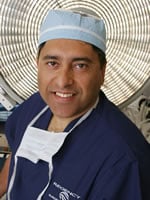
Restoring the upper third of your face – from your hairline to your lower eyelids – can be accomplished through a brow lift or eyelid surgery. This portion of your face is often the first thing people notice. A heavy or sagging brow can make you appear older, tired, or even angry. In some cases, your vision can even be affected. Using advanced surgical techniques, Dr. Younai can lift your brow and make your eyes appear brighter and more alert.
Lower Eyelid tuck or Blepharoplasty for the treatment of eyebags
Stop looking tired with puffy eye bags. With the new eyelid tuck surgery technique of Transposition Blepharoplasty, you can transform your tired eyes and look refreshed. Lower Eyelid surgery technique involves transposition of the excess eye fat over the orbital rim to prevent hollowness and to give your lower eyelid a smooth and natural look. This new eyelid surgery technique also utilizes the Canthopexy technique to tighten the loose lower eyelid muscles.
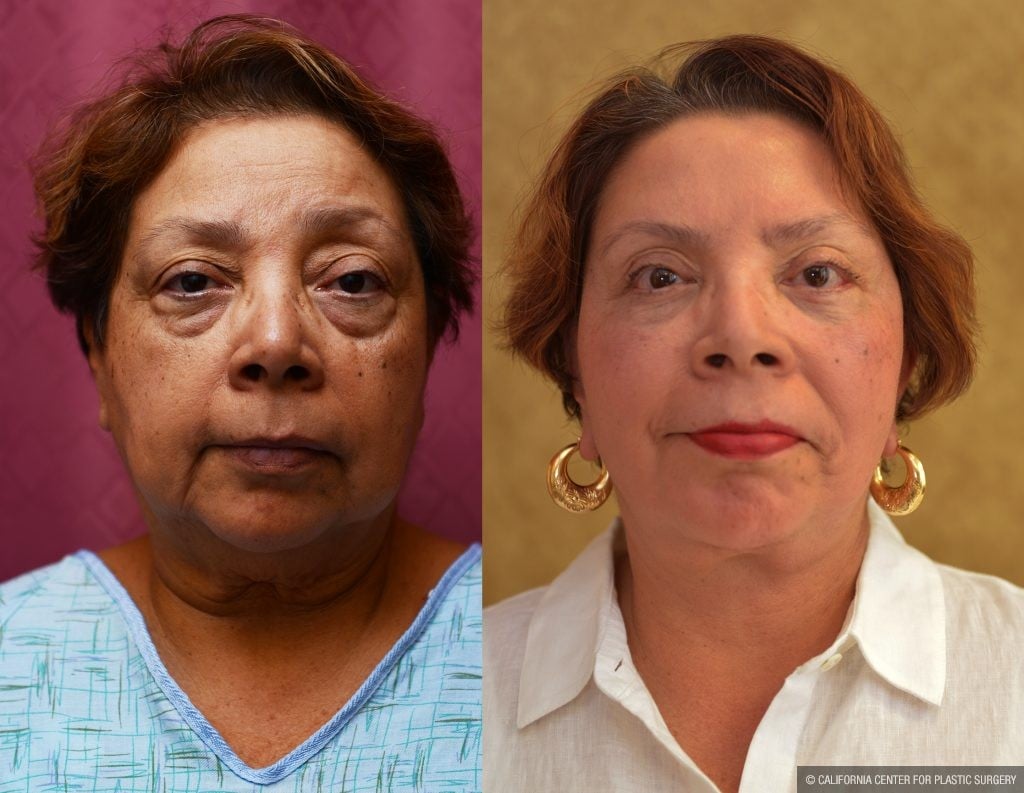
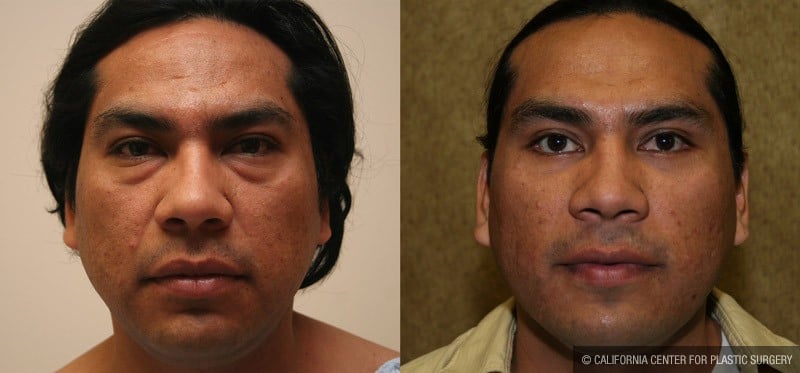
As you can see from many before and after eyelid surgery pictures, this new technique of lower eyelid surgery has transformed Los Angeles women’s tired look to one that is refreshed and confident.
#eyebags #sunkeneyes #eyetuck #puffyeyes #eylidtuck #eyelidsurgery #eyelidlift #eyes #blepharoplasty #plasticsurgery #cosmeticsurgery #facelift #plasticsurgeon #cosmeticsurgeon #eyespecialist #eyeplasticsurgery #facial #facialplasticsurgeon #cosmeticsurgeon #tiredeyes #eyelidrejuvenation #topplasticsurgeons #surgerybeforeandafter #eyelidbeforeafterresults #darkcircles #undereyecircles #eyecreams #skinlasertreatmetn #facialplasticsurgery #besteyecream #beforeandafter #blepharoplastybeofreandafter #eyelidrejuvination #youthfuleyes #oculoplastics #lowereyelids #skincare #undereyecare #undereyebrightener ❤️
Contents
- 1 Introduction
- 2 Before and After Photos
- 3 The Procedure
- 4 The Procedure
- 5 Candidates
- 6 Preparations
- 7 Recovery
- 8 Maintenance
- 9 Asian Eyelid Surgery
- 10 Risks & Complications
- 11 Unsatisfactory Results
- 12 FAQ
- 12.1 What Will the Initial Consultation Be Like?
- 12.2 How Will I Know Whether I am a candidate for Upper or Lower Eyelid Surgery?
- 12.3 What If I Have Fat Beneath My Lower Lids, But No Excess Skin?
- 12.4 Will Insurance Cover An Upper Eyelid Lift?
- 12.5 What Is Canthopexy?
- 12.6 Are There Medical Conditions that Would Affect My Ability to Have Eyelid Surgery?
- 12.7 Can Eyelid Surgery Be Performed with Other Procedures?
- 12.8 Can Eyelid Surgery Affect My Vision or Eyeglass Prescription?
- 12.9 What About My “Crow’s Feet”?
- 12.10 What About My “Frown Lines”?
- 12.11 Can Eyelid Fat Be Removed By Liposuction?
- 12.12 Does Blepharoplasty Affect My Permanent Eyeliner?
- 12.13 How soon after eyelid surgery can I have Permanent Eyeliner?
- 12.14 Are there Alternative to Eyelid Surgery or Blepharoplasty to treat Aging Eyes?
Introduction

Blepharoplasty, also known as Eyelid Lift or Cosmetic Eye Surgery, refers to the procedures that tighten drooping skin of the upper eyelids, and remove the “puffiness” or “bags” beneath the eyes. This surgery is a boon for those who wish to “freshen” up a fatigued looking face, without undergoing a full Face Lift. Many men who would not otherwise undergo cosmetic surgery undergo Blepharoplasty, one of the top three plastic surgeries in the United States. In 2005 alone, more than 231,000 Americans who were “tired of looking tired,” or who wished to maintain their competitive edge at work, underwent the procedure.
Like so many of our features, our eyes are subject to our genetic history. This, plus sun damage, smoking, stretching from obesity, blinking, rubbing and simply aging itself lead to excess eyelid skin, lax eyelid muscles and excessively protruding fat pockets.
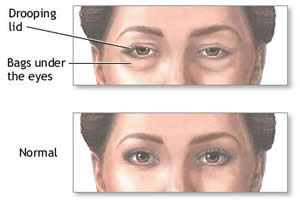
As we age, the skin around our eyes begins to lose its elasticity. When this happens, the underlying fat begins to show, giving the appearance of bulges and bags. In some cases, the attendant sagging can cause vision impairment as well. And it’s not always the result of aging. Congenital conditions that can cause abnormalities in the eyelids include blepharoptosis and blepharochalasis. Blepharoptosis causes abnormal drooping of the upper eyelids, resulting in a tired appearance. Blepharochalasis causes bulging in the lower eyelid fat, even in young people. Injuries can also cause damage, resulting in the need for reparative surgery. Blepharoplasty can remove this excess skin, restoring a firm, youthful appearance to your eyes.
Most Eyelid Surgery patients are between the ages of 30 and 60, although it can be performed on patients ranging from 18 to the very elderly. Blepharoplasty can be aesthetic or functional, correcting congenital deformities, as well as vision impairment caused by excess eyelid skin or fat, and damage caused by trauma, infection and inflammation.
Blepharoplasty corrects deformities of the eyelids that are due to aging, such as the bulges and bags that most people develop in their thirties and forties, when eyelid skin loses its elasticity, and the underlying fat begins to show. Congenital deformities it corrects include Blepharoptosis — the abnormal sagging or drooping of the upper eyelids that cause a sleepy appearance — or Blepharochalasis, the congenital excess bulging of lower eyelid fat that can occur even in young people. It will not, however, rid of persistent dark circles that many people inherit, although it may soften their appearance. It also does not eliminate “crow’s feet,” the tiny wrinkles around the eyes, or frown lines. These can generally be corrected with BOTOX® injections.
Before and After Photos


The Procedure

We hear it all of the time – the “eyes are the windows to the soul.” Often, they are the first feature that people notice about you. Surveys show that two-thirds of adults consider their eyes to be their defining facial feature. Your eyes play a crucial role in expressing your mood, character, and feelings. For example, the shape of your eyes, whether they reflect sadness or happiness, and the presence of wrinkles, dark circles, or bags under your eyes, shape your facial expression and thus affect how you are perceived, and how others may interact with you.
Have you ever awakened from a good night’s sleep, feeling rested and refreshed – only to see a tired face in the mirror? This is a concern that I hear from many patients, who are otherwise in good health, but who have drooping upper eyelids, and bags below their eyes. They are annoyed when they are asked if they are tired! Fortunately, the option of eyelid surgery – or Blepharoplasty – can safely help them to regain the rested, energetic look of their younger days.
For men and women who are not yet ready for a full Facelift, there are a number of ways to “freshen up” or rejuvenate an aging face. These less invasive procedures include Blepharoplasty — Upper and Lower Eyelid Surgery — as well as a Forehead Lift – also known as a Brow Lift. Another alternative is a Mid-face Lift.
Blepharoplasty, or Eyelid Lift, or Cosmetic Eyelid Surgery, is one of the top three cosmetic surgery procedures performed in the United States. Between 1997 and 2002, the number of patients undergoing Blepharoplasty increased by 44 percent because it is so effective. In 2005 alone, 231,000 patients underwent procedures to tighten drooping skin on their upper eyelids, remove the puffiness, or “bags” below their eyes – or both. Because the skin of the eyelids is so thin and delicate, the eyelids tend to droop before the rest of the face. Blepharoplasty surpasses facelifts, rhinoplasty (“nose jobs”), and forehead and brow lifts as a commonly performed procedure for “freshening up” a fatigued looking face.

Eyelid Surgery or Blepharoplasty can be both aesthetic, and functional. Sometimes, eyes are damaged by trauma, infection, inflammation, degeneration or by developmental deficiencies. Blepharoplasty can help the eye to be functionally normal. It also serves a cosmetic purpose, restoring and rejuvenating the appearance of the eyes for a more youthful and alert appearance.
Many men who would not otherwise consider cosmetic surgery do undergo Eyelid Surgery. In some cases, they feel it is a necessity to remain competitive in today’s challenging, and increasingly youth-oriented, workplaces. Also, many people will undergo Eyelid Surgery as a way to freshen their appearance while they delay having a Full Facelift.
Causes
Like so many of our features, the eyes are subject to your genetic history. How many times have you heard someone say that they look into the mirror and “see my mother looking back at me”? Other factors include sun damage, smoking, stretching from obesity, blinking and rubbing and just plain aging.
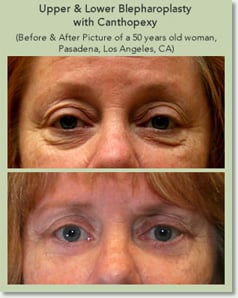
Consequently, the excess upper eyelid skin hangs over the normal lid crease and even starts to impinge on the eyelashes. This results in eyes that appear smaller and more tired looking. You might also feel heaviness and drooping in your upper eyelids after reading for a short time.
The medical term for the aging of the eyes is called Blepharochalasis which is characterized by excess eyelid skin, lax eyelid muscles, and excessively protruding fat pockets.
Blepharoptosis is another term which refers to the abnormal sagging or dropping of the upper eyelids, which gives people the appearance of sleepy eyes. Blepharoptosis is in fact a functional eyelid dysfunction characterized by the inability of the upper eyelids to keep open fully and to lift up when gazing up. Blepharoplasty is the surgical procedure designed to correct Blepharochalasis, or aging eyelids. It does not correct Blepharoptosis or sagging of the upper eyelids.
How about the lower eyelids? Usually, by a person’s late thirties or early forties, the thin skin of the eyelids begins to lose its elasticity. Collagen in the skin decreases, and the thinning of the skin causes the underlying fat to show. Additionally, the soft tissues of your cheek and of the middle of your face lose tone and become subject to gravity. When this happens, imperfections in the lower eyelids become more noticeable, and bulges and bags appear.
Unlike the popular belief that lower eyelid bags only develop as a result of aging or sun damage; there are many young people who suffer from baggy lower eyelids or Blepharochalasis. In fact, these people are quick to show photos with the lower eyelid bags that they had as teenagers. This excess bulging of lower eyelid fat in a young person is not caused by aging, but is a congenital deformity commonly known as “herniated orbital fat” – or the hernia-like bulging of the fat out of the eye socket.
Ethnicity

There is a great variation in the character of the eyelids between people of different ethnicities and skin types. This affects the aging of their eyes.
Those of Anglo-Saxon heritage and who have very fair skin, are often more affected by the sun damage and tend to develop wrinkles and brown spots at a much earlier age. People of Mediterranean descent generally have thicker and oilier eyelid skin which stays firm longer. At the same time, men and women of Mediterranean and Middle Eastern descent tend to have more dark pigment in their eyelids, which makes their eyes look deeper or at times more tired. Asians and those of African heritage tend to have very thick eyelids with an abundance of underlying skin fat. While this keeps the eyes looking youthful at an older age, it can also cause more drooping of the eyelids due to the weight of the subcutaneous fat. This fat also “fills in” the eye socket giving the eyelids more of a slanted look; whereas Caucasians usually have deeper and narrower eye sockets which give them the appearance of having more “open” eyes.
The Procedure
In general, incisions are made following the natural lines of the eyelids – in the creases of the upper eyelids, and just below the lashes in the lower lids. Your cosmetic surgeon then separates skin from fatty tissue and muscle. Excess fat is removed. When necessary, skin and muscle are contoured. Your plastic surgeon will close the incisions with very fine sutures.
A key to the success of this surgery is choosing a cosmetic surgeon who is highly talented and experienced in performing it. It requires great precision and skill – very small differences in the removal of fat and skin lead to noticeable differences in the outcome.
Upper Eyelid Surgery
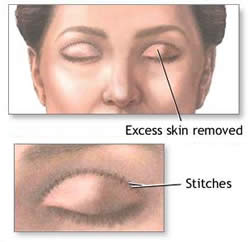
To correct the droopy appearance of your upper eyelid, your cosmetic plastic surgeon will first mark the excess amount of skin to be removed, while you are sitting up. The incision lines are usually drawn in the normal eyelid crease (about 7-10mm above the lashes). The upper border of the skin removal flap is drawn approximately 10-18 mm below the level of the brows, allowing enough skin to remain for adequate eye closure. At the time of surgery, after you are sedated and eyelids are anesthetized, a fine incision is made along the previously marked lines in the natural eyelid fold. This incision can be made with a scalpel or laser. Having performed many Blepharoplasties with either laser, radio frequency (RF), or scalpel, I can assure you that there is no difference in the final outcome.
Next, the excessively hanging skin and the underlying redundant eyelid muscle (Orbicularis Oculi Muscle) are precisely trimmed. The Orbital Septum which is a thin sheet that holds in the orbital fat is incised and protruding fat is removed, or remodeled in order to shape the eye. This is performed very carefully to avoid making the eyes look too hollow.
In some cases, the Lacrimal tear gland has fallen out of the orbit and into the eyelids which make the eyelids appear puffy and fat. Ptotic Lacrimal gland is repositioned if indicated.
There are also people who have excess heavy fat of the skin adjacent to their eyebrows (SOOF- Supra-Orbital Ocular Fat) that slides down onto the upper eyelid. There are times when the droopiness or Ptosis of the eyelids is also corrected by addressing the Levator Muscles which are responsible for pulling up the eyelids.
Other facial aesthetic units such as the brows or the frown muscles can also be addressed while the eyelids are open. For example, a Trans-palpebral corrugator muscle excision can permanently soften the frowns and the forehead; and a Trans-Palpebral Brow-lift or Browpexy can reposition sagging brows to their original natural position.
At the end, the upper eyelid incision is precisely closed with hair-like fine sutures.
Lower Eyelid Surgery – Lower Blepharoplasty
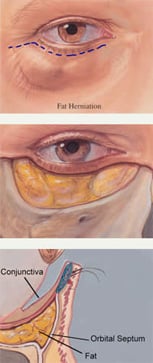
There are two types of lower Eyelid Surgery or Blepharoplasty depending on the incision made, either under your lash lines (Transcutaneous incision), or on the inside surface of the eyelid (Transconjunctival Incision).
In the Transconjunctival approach an incision is made on the inside surface of the eyelid which only enables the removal or repositioning of the excessively herniated fat. This might be a good option for younger people who, while having puffy lower eyelids, don’t have any laxity, redundancy, or wrinkles of the lower eyelid skin.
One the other hand, those who also need to have loose wrinkled lower eyelid skin removed would be better served by a Transcutaneous/ Sub-Ciliary Incision below the lash lines. Through this approach the lower eyelid skin can be re-draped and tightened. This approach also offers access to the cheeks and the middle face for the performance of Mid-Face Lift, Mid-Face Suspension, or “SOOF Lift” (Sub-Orbicularis Oculi Fat). These adjunctive procedures are detailed in the later sections.
Transconjunctival vs. Transcutaneous
In a minority of patients whose lower eyelid bags consist of only excess fat and have a very firm and tight lower eyelid skin a Transconjunctival Blepharoplasty might be preferable to that of a standard Transcutaneous Blepharoplasty. This group of patients are usually very young and don’t have any lower eyelid wrinkles or excess skin. Their lower eyelid bags are a result of genetic herniation of fat from the orbit (eye socket). In these people, instead of making an incision at the eyeliner (Ciliary margin), the fat can be reached through an incision from insides of the eyelid fold through the conjunctiva.
More specifically, during a transconjunctival blepharoplasty the lower eyelid is moved away from the eyeball, which is then protected with a plastic plate. Through electrocautery, the cosmetic surgeon sweeps across the back layer and most of the length of the eyelid. The fat in three pockets is “teased out” of their capsules, clamped, excised and cauterized from each pocket. Sometimes, the surgeon closes the wound with dissolving sutures, although possibly no sutures will be required. The cosmetic surgeon will remove only fat and not any skin.
Advantages of Transconjunctival Blepharoplasty over traditional lower eyelid surgery include that it leaves no external scar, is less invasive, results in less bruising and swelling and has a more rapid recovery. But don’t forget that if you have loose hanging lower eyelid skin, you would not be a candidate for Transconjunctival Blepharoplasty.
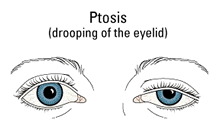
Repair of Eyelid Ptosis or Droopy Upper Eyelids
The Levator Oculi Muscle is the upper eyelid muscle responsible for raising the upper eyelid while we gaze upward. The mechanism of eyelid elevation can be defective either at birth or at an older age by damage sustained by traumatic lacerations, or even cataract surgery. There are also rare muscle diseases such as Myasthenia Gravis which can cause the Levator muscle paralysis.
Repair of eyelid ptosis varies depending on the origin and cause of the ptosis. In general, the Levator Muscle’s tendon is repaired or shortened in order to restore the normal eyelid excursion. In extreme cases, a variety of slings are used to “prop-up” the eyelids.
Lower Eyelid Laxity
Extreme Blepharoptosis or the sagging of the lower eyelids is termed Ectropion. More specifically, Ectropion refers to abnormal laxity of the lower eyelids to a point that too much of the white of the eyes show. The loss of lower eyelid integrity can damper the normal flow of tears causing them to spill over onto the cheeks and resulting in the dryness and irritation of the eyes.
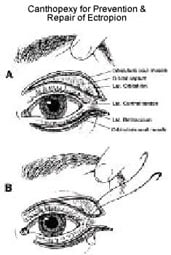
Canthopexy refers to a variety of procedures designed to re-establish the support mechanism of the lower eyelid skin so it no longer sags. Depending on the degree and cause of the Ectropion, the type of Canthopexy surgery varies. In those with minimal laxity, or a pre-disposition to developing Ectropion after lower Blepharoplasty, the outer edge of the lower eyelid is tightened against the rim of the eye socket or orbit. This procedure is called Lateral Canthopexy. In cases when Ectropion is caused by extreme horizontal redundancy of the lower eyelid skin, a wedge section of the lower eyelid is excised, thus shortening the horizontal length of the lower eyelid. This procedure is called a Lateral Tarsal Strip Re-suspension. In some cases, Ectropion results from a deficiency of lower eyelid skin, caused by scarring or previous eyelid surgery. In this circumstance, the deficiency of the lower eyelid skin is addressed via skin graft, flaps, or superior cheek advancements.
Your plastic surgeon must be alert of the risks of developing Ectropion, and should have the knowledge and skills to be able to surgically address it at the time of Blepharoplasty.
Length Of Surgery
Depending upon how much you choose to have done, your cosmetic surgeon will take between less than an hours to two hours to complete Eyelid Surgery. As a rule, performing upper or lower eyelid surgery alone takes a bit less than an hour, while both performed together take between one to two hours.
What Kinds of Instruments Will the Surgeon Use?
Some cosmetic surgeons employ carbon dioxide lasers or Radio frequency (RF) for Eyelid Surgery as supposed to stainless steel scalpel. Personally, I have performed many eyelid procedures with all of these instruments and I have not noted any difference in the final outcome. In my opinion, in eyelid surgery, it is the surgeon’s skills that are of most importance rather that the tools that he/she might use.
Anesthesia
Your cosmetic surgeon will perform the surgery under local anesthesia with sedation, or under general anesthesia. The sedation can be through the administration of oral drugs, including tranquilizers and narcotics, or through an intravenous sedative, such as Propofol. This intravenous sedation allows for a more pleasant patient experience, and rapid awakening following the procedure. Once the patient is relaxed and monitored by the anesthesiologist, the cosmetic surgeon will inject the eyelids with a local anesthetic, such as Lidocaine. The cosmetic surgeon will probably administer the Lidocaine periodically, as he or she gauges how much is needed to keep the patient’s discomfort to a minimal level. This may cause the patient to feel a mild burning sensation, but an experienced and skilled surgeon will know how to administer the injection to cause a minimum of discomfort.

You will never have an injection into the eyeballs themselves. Rather, they will be numbed by eye drops. You will be in a “slumber.” However, the sensation will be similar to that you feel when having a dental cavity filled, or a tooth pulled.
Many cosmetic surgeons feel that there are a number of advantages to using local anesthesia with sedation. This is because of the delicacy of Blepharoplasty, and the extreme precision with which it must be performed. A local anesthetic allows the surgeon to get desired feedback from the patient by rousing him or her from slumber to induce movement in the eyes. This allows the cosmetic surgeon to monitor results without guesswork that may be necessary when a general anesthetic is administered.
However, this is a choice that should be discussed thoroughly with your cosmetic surgeon. Some patients have a much higher degree of anxiety than do others about the prospect of eye surgery, and may have a better outcome under a general anesthetic.
Patients having Eyelid Surgery along with re other complex or lengthy procedures would be better served with general anesthesia.
Candidates
You should be at least 18 years of age to qualify. Men are no less troubled than women by droopy and puffy eyes – both are candidates for this procedure. Some younger patients simply have droopy, baggy eyelids that run in their families. However, most eyelid surgery patients are men and women between 30 to 60 years of age who are experiencing the toll that aging, genetics and lifestyle choices take upon the delicate skin of the eyes. In some cases, the patient has so much excess fat and skin that their vision is impaired. In other cases, dry eye syndrome and corneal ulcers lead patients to constantly tug at their eyelids, causing them to become very loose.
For the year 2005, the America Society of Plastic Surgery showed the age distribution for Eyelid Surgery as: Ages 19 to 34: five percent; ages 35-50: 39 percent, age 51-64: 41 percent and over age 65: 15 percent. Younger patients are candidates if they have very droopy eyelids, or large “bags” beneath the eyes.
Patients should thoroughly discuss their expectations with their cosmetic surgeon. Eyelid surgery will help you to regain a rested, refreshed and more alert appearance. However, it cannot erase your “crow’s feet” or the tiny wrinkles that occur with time. Also, while it can add a crease to Asian eyes, it will not alter your ethnic, or racial, appearance.
Non-Cosmetic Reasons for Upper Blepharoplasty?
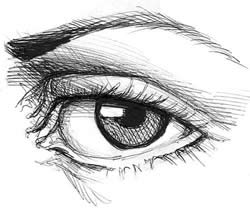
Yes. “Functional” Eyelid Surgery restores normalcy to eyelids that have been damaged by trauma, infection, inflammation, degeneration or for other reasons. Excessively dropping upper eyelid skin (Blepharoptosis) can impair peripheral vision. This can become a potential hazard during night driving for some people. Therefore, some insurance might cover the cost of this procedure in extreme cases.
Non-Cosmetic Reasons for Lower Blepharoplasty?
Excessive sagging of the lower eyelids that affects the function and health of the eyes – such as is Ectropion – requires surgical correction. Lower eyelid Blepharoplasty does not correct Ectropion, and in fact can worsen it in people with poorly functioning lower eyelids. To correct or to prevent the occurrence of Ectropion during lower Blepharoplasty, there are a variety of eyelid tightening procedures performed that will be discussed later.
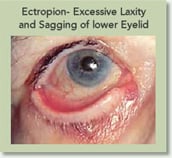
During your consultation Dr. Younai with examine you for lower excessive lower eyelid laxity and will review with you your treatment options for Eyelid Rejuvenation Surgery or Blepharoplasty, including pros and cons of each procedure, potential risks and complications, recovery course, pre and post operative instructions, and esthetic outcomes. At that time, he will also recommend if you might need additional procedures to correct Ectropion, eyelid Ptosis or other eyelid dysfunctions. There are also many before-and-after pictures and high resolution images of Facial Plastic Surgery and Eyelid Surgery available in our photo gallery.
Preparations

- Approximately one to two weeks before your surgery you will undergo a general pre-operative evaluation at our office, at which time you will also undergo blood testing and EKG if necessary.
- At that time you need to review with our staff all your medical conditions even though they might not appear to be of importance to you. The review of your eye and vision health is also crucial. We would like to know if you had previously undergone any eye or eyelid surgery, do you take any eye drops or medications for your eyes or vision, and do you suffer from dry eye.
- After reviewing the procedure and answering your questions we will give you written instructions of the medications, vitamins, or herbs to avoid for at least two weeks prior and after your surgery. These include over the counter medications or vitamins which might thin your blood and cause you to bleed excessively during and after surgery.
- If you smoke we encourage you to reduce your smoking for one week before and after surgery because this can hamper your healing process.
- You will be provided with prescriptions for pain medications, antibiotics, lubricating eye drops, anti-inflammatory eye drops, and nausea medications. Please have these ready in advance.
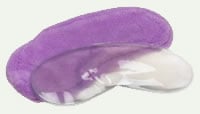
- Get your house in order so that after surgery you wouldn’t be bothered with doing demanding house chores.
- Have bags of frozen peas or cold compresses ready in your freezer for use after surgery.
- Have your bed area prepared with many pillows or cushions to be used for propping you up. Elevation of the head after surgery reduces swelling and pain.
- Arrange for adequate support for the care of your children and pets for at least the first two to three days after surgery.
- You would not be able to wear contact lenses after surgery, therefore, have corrective glasses available.
- Have someone reliable, preferably a family member or close friend bring you to surgery and from surgery. This person should be available to stay and assist you the night after surgery. If you don’t have such a person, please let us know in advance so that we can recommend several available after-care facilities or caretakers to you.
- Have loose and comfortable clothes and shoes available to wear the day of surgery. Also if you have dark sunglasses, they will help reduce the sun glare in your eyes after surgery.
- You cannot drink or eat anything except your medications for eight hours prior to surgery.
- Don’t drink any alcohol for one week prior and after your surgery.
- Do not wear any makeup, facial lotions, or perfume the day of surgery. Shower and shampoo the morning of surgery, remove all eyelid and eyebrow cosmetics, and don’t apply any hair gel or grease.
- Bring all your medications with you to surgery.
- Don’t wear jewelry, necklaces, wrist watches, hairpieces, false eyelashes, or contact lenses to surgery.
Recovery

Eyelid Surgery is performed either under sedation or light general anesthesia. Most people don’t remember their experience in the operating room because of the amnesia effects of the sedatives.
After your surgery, you will spend some time in the Recovery Room of the surgical facility.
When you wake up, you will have a cold compress gauze dressing over your eyes. Don’t be alarmed if your eyes are covered and you cannot see. There is always a nurse available to assist you. Just ask for anything you need!
Your vision will also be blurry for one to two days after surgery because of the medications that were placed on your eyes as well as eyelid swelling.
Don’t panic even if your eyes are closed shut the day after surgery. This might be caused by swelling and or bruising. As long as you have some vision, there is no cause for alarm.
Wear your dark sunglasses or keep your eyes covered on the way home to avoid bright sun irritation.
Pre-Operation Checklist
- After surgery, the best position for the first 2-3 days is to be lying semi-reclined. Elevation of the upper body and head reduces the swelling and aching of the eyes and face.
- The application of cold packs, wet compresses, or frozen peas over your eyes are of the most benefit, especially during the first two days.
- Take your pain medications routinely because any increase in pain can increase your blood pressure and cause more swelling, bruising, and prolonged healing.
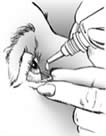
- Routinely, use the lubricating eye drops to keep your eyes moist, and use other prescribed drops and medications as directed.
- Gentle outward massage and blinking can also help to rid you of the swelling.
- It is very common not to be able to completely close your eyes for weeks after double eyelid surgery. To protect your eyes during sleep cover them with a moist clean cloth and/or apply lubricating eye ointment (Lacrilube, Duolube).
- Although it is good to gently and sparingly apply some Vaseline on your eyelids to keep them moist, DO NOT use Neosporin or other antibiotic ointments or lotions because they can burn your eyes.
- If you just had eyelid surgery, you may get your face and the stitches wet in the shower the next day. Otherwise, if you have bandages around your face or head, don’t get them wet, but you may carefully wash your face.
- In cases of Brow Lift surgery, you might have drains which your assistant has to attend to regularly.
- I encourage you to be mobile and not to be sedentary in order to reduce the chance of forming blood clots in your legs.
- Some people develop back pain or muscle spasm as a result of sleeping propped up. If you experience this, put a heating pack on your back and have a family member massage your back.
- Take your nausea medications about one hour before taking your antibiotics and pain medication in order to lessen the extent of nausea.
- Do NOT take any aspirin-like products, diet pills, or vitamins until after approved by your doctor.
- It is good to stay well hydrated, but avoid drinking too much plain water because it can make you more nauseated.
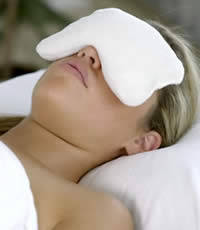
- Avoid eating greasy or spicy foods for the first three days, and have antacids available if you get an upset stomach.
- Refrain from smoking for at least two weeks after surgery, because smoking can actually irritate the eyes and prolong your recovery.
- Do Not wear contact lenses for about two weeks or until your surgeon has approved them.
- Recovery varies for each patient, as will the timing for resuming exercise and normal physical activities. Although you will probably be able to return to work within a 3-7 days, your cosmetic surgeon will instruct you to avoid heavy physical exertion, including heavy lifting, frequent bending, reaching high over shoulder, and jogging for the first two weeks. Also, excessive reading or prolonged driving can tire your eyes during the first 6 weeks after surgery.
- While most of the swelling will go away during the first two months, there could be some residual swelling and inflammation for up to one year after surgery depending on the extent of surgery and the way your body heals.
- Try to wear sunglasses when driving or in sunny areas to protect your eyes from the bright sun irritation.
- You can have sex after one week, as long as you don’t overly exert yourself, and keep your incision clean for up to 3-4 weeks.
- You cannot use a public pool, Jacuzzi, or go into the ocean for at least 4 weeks after surgery.
- Small whitehead-like cysts called Milia can develop on the eyelid skin or the incisions. These are harmless and can be easily removed if they persist.
- Eyelid surgery does not affect your permanent makeup. If you are planning to have permanent makeup after surgery you should wait for six weeks to avoid running or smudging of the permanent makeup.
- Your eyelid sutures will usually be removed in about 5-6 days after surgery. If you have sutures in your scalp from forehead lift, these will be removed in two weeks, while the drains will be removed in about 2-3 days.
- You can wear camouflage makeup and concealer after your sutures are removed, and as long as you don’t get them in your eyes.
- During your first week after your surgery if you have any urgent questions or concerns, please feel free to contact my office, at any time of the day or night.
Tips for Your Significant Others

The support of your family and loved ones can be as important to your healing as following your physician’s medical directives. Their understanding of the pain, discomfort, and at times, the roller coaster of emotions, that you might experience can make all the difference in having an optimal outcome.
After Eyelid Surgery
- You should be available as a full time caregiver for at least 24 hours to help the patients with the tasks that are normally taken for granted, like being able to walk to the bathroom.
- You, or someone, should care for the patient’s children for a minimum of two days, and be sure that she has assistance in lifting young children for several days after your surgery.
- Help with pet care. Someone should walk them, feed them and clean up after them for at least several days.
- Prepare to help the patient address the swelling that she will experience, according to her physician’s instructions. This may include ice packs or cold compresses specifically designed for eyelid surgery.
- Know that he or she may experience mood swings and feel like crying off and on – especially in the first couple of weeks. This is a normal aftermath of major surgery.
- Encourage him or her to drink lots of water – to address bloating and to keep her hydrated.
- Remind the patient to not fight the pain – to go with the flow, and take her medications as directed. It is not good to try and be a hero!
- Give lots of compliments. She may be fearful because it will take some time before her eyes and face appear as they should. She has a lot of healing to do!
- Prepare simple and easily digestible foods, such as scrambled eggs or Jello.
- Remind her to sleep on her back for the first week!
- Be there when she goes to have her bandages removed, to support her through any discomfort she may be feeling.
- As far as sex is concerned, let the patient take the initiative.
- Some patients feel scared that they might harm their face if it is touched or manipulated after surgery. Have them ask their doctor about this and get some reassurance.
- Some patients feel depressed or regretful about having undergone facial rejuvenating surgery. Sometimes they don’t know how to handle the attention or questions that a new and refreshed face will bring about. At the same time, significant others can develop uneasy feeling about the fact that you underwent such surgery. It is good to talk about your feelings and to even seek outside help if you can’t resolve some ambiguities.
Previous Permanent Eyeliner
No, neither lower eyelid or upper eyelid Blepharoplasty incision is going to remove or alter your permanent eyeliner tattoo.
Future Permanent Eyeliner?
In general, I suggest that you wait until all the swelling and inflammation of the eyelids have subsided, which takes approximately 6-10 weeks. Otherwise, your eyeliner can run or smudge.
Healing
Your eyelids and/or your face will look bruised, swollen, and even gruesome for about a week but this will pass. The incisions may look raised, somewhat red, and tender and itchy for several weeks after surgery as they heal. This can take up to six to twelve months. During the early phase of healing when your eyelids are swollen they might appear uneven and different. This is because eyes heal and recover at different rates which can take up to five to ten months to resolve. During this period you can also experience tightness of eyes and dryness which can be addressed with eye lubricants.
As with any surgery, you will need time to heal. This is particularly true of this delicate part of your face.
Although you would be presentable with some makeup at two to three weeks, in most cases, it takes five to ten months for the eyes to reach their final shape and form.
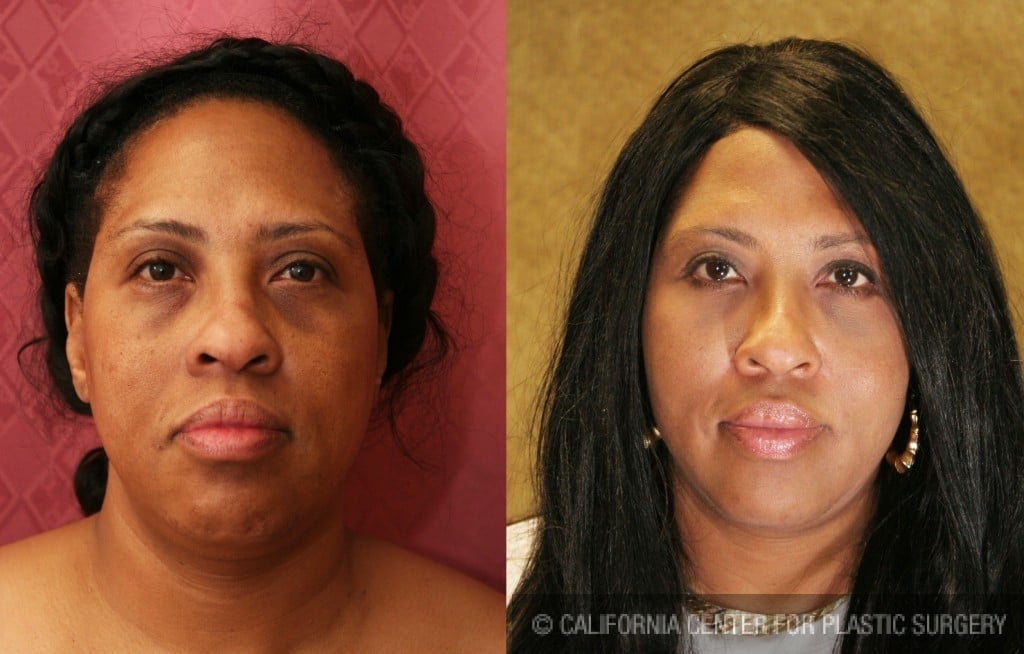
How Long Will the Improvement Last?
For most patients, the improvement is long-lasting, and needs to be performed only once. But depending on how you age or extraneous factors such as sun damage, massive weight loss, and smoking you might need to undergo touch-up procedures later.
Negative Results
In patients who have very low sagging brows, Blepharoplasty that is performed too aggressively may worsen, rather than improve, the appearance; unless the brows are also elevated (Brow Lift).
Maintenance
Having spent time, money, and discomfort to undergo Eyelid or Facial Plastic Surgery you need to protect your investment!
There are a variety of topical creams that are available which reduce or even reverse the damaging effect of the sun and the elements.

- First and foremost you need a good skin moisturizer with sun screen.
- Avoid tanning salons or prolonged outdoor tanning.
- Use an eye cream that contains antioxidants such as High dose Vitamin C and E. These antioxidants promote the healing of the sun damaged skin.
- Alpha-Hydroxy Acids such as glycolic acids and fruit acids are topical natural acids that help gradually remove the damaged top layer of skin and to remove fine wrinkles. Retin A will also do the same thing but can cause excessive irritation in some people.
- There are a variety of Skin Peels and treatments that are available at our Med-Spa as well as at others which can remove the sun damaged skin and rejuvenate it periodically.
- Aloe Vera plant extract, known in Latin culture as “Sabila” is a wonderful natural and effective remedy for keeping your eyelid and facial skin young. It is widely available at home and garden stores.
prices vary based on exam and type of procedures.
Asian Eyelid Surgery

Asian Eyelid Surgery, also known as “Double Eyelid Surgery,” is the most requested cosmetic surgery in the Asian population, both in Asia and the United States. However, the average age of those who undergo this surgery is generally younger than for eyelid surgery that is performed on “Occidental” patients.
Many Asians go to impressive lengths to create a crease without surgery. For example, some women sweep glue above their eyes, use a mini-fork to hike up their eyelids, and then press it into place. The goal is to create a larger, more attractive eye. Rather than endure this routine on a daily basis, many patients opt for surgery that creates a permanent crease.
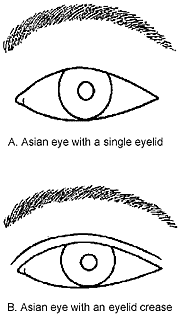
While many regard this surgery as an attempt to appear more “Western,” possibly a better definition of the goal is to have a more defined contouring of the skin above the lashes that is harmonious with other facial features. Often criticized as a rejection of cultural “norms,” this surgery is in fact sought for the same reasons as are other procedures – to increase the patient’s self-confidence. It is not sought to look more Occidental. Rather, patients seek to conform to what is more widely regarded as aesthetically pleasing, whatever the culture. In other words, patients do not seek a more Western eye, but simply a prettier Asian one.
About half of all Asian patients have an upper eyelid with a low but defined eyelid crease. The other 50 percent of patients show little or no sign of a crease, i.e. a “single eyelid.”
When present, the Asian crease differs from the typical Occidental crease in a number of ways. These include formation that is closer to the eyelashes, a different shape – with sometimes incomplete or multiple folds. The Asian upper eyelid appears fuller or “puffier” than the Occidental eyelid for many reasons, including a thicker eyebrow fat pad that projects lower into the eyelid, and a much thicker subcutaneous layer of fat that adds padding over the entire eyelid. This interferes with crease formation.
Also, because Asian eyelashes tend to bend downward, the area between the upper and lower eyelids appears more closed.
Methods

“Double Eyelid Surgery” patients are requesting the creation of a crease “from scratch,” or a change in the height of an existing natural crease. Your cosmetic surgeon will select a “low,” “medium,” or “high” crease. For a discontinuous or incomplete crease, the surgeon’s goal will be to “complete that crease without altering the shape and height that are inborn.” However, creases that are poorly defined, or multi-fold, will be converted into a single dominant crease. The surgery creates a “double eyelid” fold by removing a crescent shaped piece of skin from the eyelid, some of the subcutaneous fat, and deep fixation of the lower edge of the Levator Aponeurosis to the superior edge of the Tarsal Plate. After wound closure, the scarring of the Levator Aponeurosis margin at the Tarsal Plate will create a new fold.
Non-Incisional Techniques also exist. In these procedures an incision is not made, but a permanent suture is made through a series of multiple stabs. The suture is then pulled under the skin in order to create a zone of scarring, and therefore a fold. This approach is not as successful as the Incisional Approach described earlier.
Epicanthoplasty is a procedure where the epicanthal fold by the middle corner of the eyelid is lengthened by a series of small “Z-plasty” incisions in order to make the eyelids appear more occidental. Although this procedure used to be very popular and was an integral part of Asian Eyelid Surgery, today it is no longer popular because it can make the Asian face appear unnatural.
Epicanthoplasty is a procedure where the epicanthal fold by the middle corner of the eyelid is lengthened by a series of small “Z-plasty” incisions in order to make the eyelids appear more occidental. Although this procedure used to be very popular and was an integral part of Asian Eyelid Surgery, today it is no longer popular because it can make the Asian face appear unnatural.
Risks & Complications
Like every surgery, Eyelid Surgery has risks and complications. These will be minimized by precautions that your plastic surgeon will base upon your complete medical history, and through intermittent checkups following the surgery.
Blepharoplasty is a surgical procedure to remove excess skin and muscle from both the upper and lower eyelids. Underlying fatty tissue that produces bagginess can be selectively removed or repositioned. Blepharoplasty can improve drooping skin and bagginess. It can help improve vision in older patients who have hooding of their upper eyelids. Although it can add an upper eyelid crease to the Asian eyelid, it will not erase evidence of one’s racial or ethnic heritage. Blepharoplasty will not remove “crow’s feet” or other wrinkles, eliminate dark circles under the eyes, or lift sagging eyebrows.
Blepharoplasty surgery is customized for every patient, depending on his or her particular needs. It can be performed alone involving upper, lower or both eyelid regions, or in conjunction with other surgical procedures of the eye, face, brow, or nose. In some patients, who have looseness between the lower eyelid and the eyeball, consideration for tightening of the lower eyelid (canthoplasty/ Canthopexy) at the time of blepharoplasty may be recommended. Eyelid surgery cannot stop the process of aging. It can however, diminish the look of loose skin and bagginess in the eyelid region.

Every surgical procedure involves a certain amount of risk and it is important that you understand these risks and the possible complications associated with them. In addition, every procedure has limitations. An individual’s choice to undergo a surgical procedure is based on the comparison of the risk to potential benefit. Although the majority of patients do not experience these complications, you should discuss each of them with your plastic surgeon to make sure you understand all possible consequences of blepharoplasty surgery.
Infection
Infection is very unusual after surgery, especially since patients receive antibiotics during and after surgery. Should an infection occur, additional treatment including antibiotics, hospitalization, or additional surgery may be necessary.
Bleeding
It is possible, though unusual, to experience a bleeding episode during or after surgery. Bleeding may occur under the skin or internally around the eyeball. Should post-operative bleeding occur, it may require emergency treatment, surgery, or blood transfusion. Do not take any aspirin or anti-inflammatory medications for ten days before or after surgery, as this may increase the risk of bleeding. Non-prescription “herbs” and dietary supplements can increase the risk of surgical bleeding. Hypertension (high blood pressure) that is not under good medical control may cause bleeding during or after surgery. Accumulations of blood under the eyelids (hematoma) may delay healing and cause scarring. Hematoma can occur at any time following injury. Heparin medications that are used to prevent blood clots in veins can produce bleeding and decreased blood platelets.

Scarring and suture cysts
All surgery leaves scars, some more visible than others. Although good wound healing after a surgical procedure is expected, abnormal scars may occur within the eyelid and deeper tissues. Scars may be unattractive and of different color than the surrounding skin tone. Scar appearance may also vary within the same scar. Scars may be asymmetrical (appear different on the right and left side of the body). Deep scars can cause adhesions or cicatrix which can tether the eyelid. This can be corrected by massage, injections, or revision surgery.
There is the possibility of visible marks in the eyelid or small skin cysts from sutures-Milia. Most disappear without treatment; otherwise their removal is very simple. In some cases scars may require surgical revision or treatment.
Sutures
Most surgical techniques use deep sutures. You may notice these sutures after your surgery. Sutures may spontaneously poke through the skin, become visible or produce irritation that requires removal. This can be done very simply in the office.
Delayed Healing
Wound disruption or delayed wound healing is possible. Some areas of the skin may not heal normally and may require re-suturing. Smokers have a greater risk of skin loss and wound healing complications.
Asymmetry
The human face is normally asymmetrical. There can be a variation from one side to the other in the results obtained from blepharoplasty surgery. Additional surgery may be necessary to attempt to revise asymmetry.
Pain
You will experience pain after your surgery. Pain of varying intensity and duration may occur and persist after blepharoplasty surgery. Chronic pain may occur very infrequently from nerves becoming trapped in scar tissue.
Dry Eye Problems
Permanent disorders involving decreased tear production can occur after Blepharoplasty. The occurrence of this is rare and not entirely predictable. Individuals who normally have dry eyes may be advised to use special caution in considering Blepharoplasty surgery.
Ectropion
Displacement of the lower eyelid away from the eyeball is a rare complication. Precautions can be taken to prevent this during surgery. Otherwise, further surgery may be required to correct this condition- Canthopexy.
Corneal Exposure Problems
Some patients experience difficulties closing their eyelids after surgery and problems may occur in the cornea due to dryness. Should this rare complication occur, additional topical treatments and sometimes surgery may be necessary?
Eyelash Hair Loss

Hair loss may occur in the lower eyelash area where the skin was elevated during surgery. The occurrence of this is not predictable. Hair loss may be temporary or permanent.
Change in Skin Sensation
It is common to experience diminished (or loss) of skin sensation in areas that have had surgery. Diminished (or complete loss of skin sensation) may not totally resolve after a blepharoplasty.
Skin Contour Irregularities
Contour irregularities and depressions may occur after blepharoplasty. Visible and palpable wrinkling of skin can occur. Residual skin irregularities at the ends of the incisions or “dog ears” are always a possibility and may require additional surgery. This may improve with time, or it can be surgically corrected.
Insufficient Skin Removal
Depending on the tone of the eyelids during the surgical marking, just before the surgery, it is possible to underestimate the amount of eyelid skin to be removed. At other times early ptosis or drooping of the brows can result in small amount of remaining excess skin fold in the upper eyelid. This can be very easily corrected during an office “touch-up” procedure.
Excessive Skin Removal
Just as it is possible to remove too little skin, too much skin can also be removed due to overly aggressive skin marking prior to surgery, or underestimation of the laxity of the skin. Excessive removal of upper eyelid skin may interfere with the proper eyelid closure- Lagophthalmos. This will usually correct itself as the eyelid skin stretches with gravity. Never-the-less in some case it might require corrective surgery.
On the other hand, excessive removal of the lower eyelid skin can cause Ectropion. This can be temporary during the initial six to eight weeks of healing, but if it persists it can be treated by Canthopexy or non-surgical means.
Excessive Fat Removal
Over aggressive removal orbital fat can result in a hollowed eye look. While fat grafting can be attempted its resulted are marginal.
Inadequate Fat Removal
Insufficient removal of fat can create asymmetry which can be corrected by revision eyelid surgery.
Skin Discoloration / Swelling
Some bruising and swelling normally occurs following blepharoplasty. The skin in or near the surgical site can appear either lighter or darker than surrounding skin. Although uncommon, swelling and skin discoloration may persist for long periods of time and, in rare situations, may be permanent.
Skin Sensitivity
Itching, tenderness, or exaggerated responses to hot or cold temperatures may occur after surgery. Usually this resolves during healing, but in rare situations it may be chronic.
Suboptimal Placement of the Eyelid Crease
Excessive removal of upper eyelid skin and failure to adequately fixate the crease during suture closure in Asian eyelid surgery can result in superior migration of the crease which can deepen the fold and feminize the male eyelid.
Eyelid Ptosis
Damage to Levator Muscle, its Aponeurosis, and the Muller’s muscles can cause a Ptosis or sagging of the upper eyelids. It this condition persists after resolution of eyelid edema; it might require repair of the Levator Muscle and/or Aponeurosis.
Rounding of the eye
Rounding of the eye at the outer commissure or corner is a sequel of Canthopexy which needs to be pointed out to patients in advance of planned Canthopexy.
Sclera Edema
Swelling of the eye surface is common immediately after surgery, but if it persists it could be due to insufficient closure of the eyelids or lid retraction which needs to be corrected by patching/ pressure and/or revision surgery.
Injury to the Lacrimal System
During upper blepharoplasty the herniated lacrimal gland can be mistake to be excess fat and resected. This can cause persistent upper eyelid swelling and dryness of the eye.

During lower blepharoplasty the lacrimal ducts at the medial corner of the eyes can be injured. If noted during surgery it can be repaired. If this becomes apparent later its treatment depends on the functionality of the superior lacrimal system. If the superior lacrimal system cannot adequately drain the tears, then the inferior Lacrimal duct needs to be reconstructed.
Diplopia
Double vision or Diplopia can arise as a result of injury to the inferior oblique or superior oblique as well as the inferior rectus muscles. This might occur as a result of accidental injury to these muscles during removal of orbital fat. Correction of this will require specialized strabismus surgery.
Allergic Reactions
In rare cases, local allergies to tape, suture materials and glues, blood products, topical preparations or injected agents have been reported. Serious systemic reactions including shock (anaphylaxis) may occur to drugs used during surgery and prescription medications. Allergic reactions may require additional treatment.
Surgical Anesthesia
Both local and general anesthesia involves risk. There is the possibility of complications, injury, and rarely death from all forms of surgical anesthesia or sedation.
Blindness
Blindness is extremely rare after blepharoplasty and occurs less than one in 10,000 cases. It is caused by sudden bleeding in the back of the eyeball (orbital or retrobulbar hemorrhage) which generates pressure on the optic nerve and causes cessation of blood flow to the retina. Mostly it occurs during the initial 48 hours after surgery and is associated with sudden episode of hypertension or an overlooked bleeding point during surgery. Its preceding symptoms are hat of extreme eye pain, bulging of the eyes, excessive bleeding from the incisions and Diplopia. Once recognized it require immediate surgical decompression of the orbit to relieve pressure. If performed immediately, blindness can be reversed. Therefore, adequate post-operative monitoring in the surgery facility and home can prevent such a disaster.
Unsatisfactory Result
Although good results are expected, there is no guarantee or warranty expressed or implied, on the results that may be obtained. You may be disappointed with the results of eyelid surgery. This would include risks such as asymmetry, unsatisfactory surgical scar location, unacceptable visible deformities, loss of function, poor healing, wound disruption, and loss of sensation. It may be necessary to perform additional surgery to improve your results. Additional surgical procedures such as a brow lift may be needed to correct eyebrow sagging which contributes to upper eyelid problems.
Cardiac and Pulmonary Complications
Surgery, especially longer procedures, may be associated with the formation of, or increase in, blood clots in the venous system. Pulmonary complications may occur secondarily to both blood clots (pulmonary emboli), fat deposits (fat emboli) or partial collapse of the lungs after general anesthesia. Pulmonary and fat emboli can be life-threatening or fatal in some circumstances. Air travel, inactivity and other conditions may increase the incidence of blood clots traveling to the lungs causing a major blood clot that may result in death. It is important to discuss with your physician any past history of blood clots or swollen legs that may contribute to this condition. Cardiac complications are a risk with any surgery and anesthesia, even in patients without symptoms. If you experience shortness of breath, chest pains, or unusual heart beats, seek medical attention immediately. Should any of these complications occur, you may require hospitalization and additional treatment.

Smoking, Second-Hand Smoke Exposure, Nicotine Products (Patch, Gum, Nasal Spray)
Patients who are currently smoking, use tobacco products, or nicotine products (patch, gum, or nasal spray) are at a greater risk for significant surgical complications of skin dying, delayed healing, and additional scarring. Individuals exposed to second-hand smoke are also at potential risk for similar complications attributable to nicotine exposure. Additionally, smoking may have a significant negative effect on anesthesia and recovery from anesthesia, with coughing and possibly increased bleeding. Individuals who are not exposed to tobacco smoke or nicotine-containing products have a significantly lower risk of this type of complication. Please indicate your current status regarding these items below:
Mental Health Disorders and Elective Surgery
It is important that all patients seeking to undergo elective surgery have realistic expectations that focus on improvement rather than perfection. Complications or less than satisfactory results are sometimes unavoidable, may require additional surgery and often are stressful. Please openly discuss with your surgeon, prior to surgery, any history that you may have of significant emotional depression or mental health disorders. Although many individuals may benefit psychologically from the results of elective surgery, effects on mental health cannot be accurately predicted.
Adverse Reaction to Medications
There are many adverse reactions that occur as the result of taking over-the-counter, herbal, and/or prescription medications. Be sure to check with your physician about any drug interactions that may exist with medications which you are already taking. If you have an adverse reaction, stop the drugs immediately and call your plastic surgeon for further instructions. If the reaction is severe, go immediately to the nearest emergency room. When taking the prescribed pain medications after surgery, realize that they can affect your thought process and coordination. Do not drive, do not operate complex equipment, do not make any important decisions, and do not drink any alcohol while taking these medications. Be sure to take your prescribed medication only as directed.
Unsatisfactory Results
Patient Dissatisfaction?

The number one reason for patient dissatisfaction after Blepharoplasty, Brow-Lift, and Mid-Face lift are small asymmetries. Unfortunately, no one ever takes a close and careful look at their face before surgery as compared to after surgery. It is at this time after surgery that they discover the minute differences between their eyes, brows, and cheeks. Most likely, these differences and asymmetries were pre-existing and are normal. No one, however expert, can give your eyes, brows, and cheeks that are absolutely symmetrical and extremely similar. If you feel that you must achieve absolute perfection with your eyelid of facial cosmetic surgery, then don’t do it!
The second most common reason for dissatisfaction is an expectation to achieve immediate results without having to go through a period of swelling, bruising and looking less than your best. Obviously eyelid and facial cosmetic surgery take time to heal, but most people feel rushed to see final results because your face is always visible. Anticipate this and undergo your surgery when the healing process will not disrupt your life.
Seven Steps To Having A Great Result
- Do your research.
- Ask questions.
- Check your doctor and surgery facility credentials.
- Know your goal. What is it that you really want to achieve?
- Have realistic expectations. No human can attain perfection!
- Follow your doctor’s instructions thoroughly.
- Be patient with getting there. You just had real surgery; and you didn’t buy breasts off the rack!
Having said all this, thousands of people undergo eyelid surgery every year and are very happy with their decision. Please remember to take your plastic surgery endeavor seriously. After all, it is no different than any other surgery that you might undergo.
With best wishes,
S. Sean Younai, MD, FACS
Board Certified Plastic & Reconstructive Surgeon
FAQ
What Will the Initial Consultation Be Like?
Your plastic surgeon will assess your entire face, with a special focus on the function of your eyelids and brows. It is important that you volunteer any history of vision change, dry eye, eye irritation, seasonal allergy, eyelid or eye surgery, muscular or neurological disorders, thyroid disease and diabetes. If necessary, your plastic surgeon will ask you to be also evaluated by an ophthalmologist to address specific issues regarding your vision or eye health. It is crucial to know of any asymmetries to achieve the optimal result after surgery. Your surgeon will locate your natural eyelid crease by lifting your eyebrow, asking you to look downward, then slightly upward, then downward again. Together, you will determine your goals, and discuss what you can realistically expect from Blepharoplasty. Your plastic surgeon might also suggest that you consider correcting the position of your eyebrows if their sagging affects your upper eyelids.
How Will I Know Whether I am a candidate for Upper or Lower Eyelid Surgery?
This is something that you will discuss with your cosmetic surgeon. Depending upon the degree of fat and skin in the upper lid, and the puffiness below, your surgeon may recommend that you have surgery on all four eyelids, or just two. He or she will also discuss with you whether you have excess skin that needs removal, or only fat to remove.
If you are having all four eyelids corrected, the surgeon will generally work first on the upper eyelids.
What If I Have Fat Beneath My Lower Lids, But No Excess Skin?
In this case, your cosmetic surgeon may perform a Transconjunctival Blepharoplasty. This goal of this procedure is to remove bulging fat, with a secondary goal of transferring the fat to hollowed areas. This is generally performed on younger patients who have more elasticity in their skin, and involves an incision on the lower eyelid that leaves no visible scarring.
During this procedure the lower eyelid is moved away from the eyeball, which is then protected with a plastic plate. Through electrocautery, the cosmetic surgeon sweeps across the back layer and most of the length of the eyelid. The fat in three pockets is “teased out” of their capsules, clamped, excised and cauterized from each pocket. Sometimes, the surgeon closes the wound with dissolving sutures, although possibly no sutures will be required. The cosmetic surgeon will remove only fat and not any skin.
Advantages of Transconjunctival Blepharoplasty over traditional lower eyelid surgery include that it leaves no external scar, is less invasive, results in less bruising and swelling and has a more rapid recovery.
Will Insurance Cover An Upper Eyelid Lift?
The surgery may be covered only in few cases when excess skin and fat hangs over the eye, blocking your peripheral vision, and thus hinder your driving capacity. Obtaining coverage requires special testing by your ophthalmologist and pre-approval by your insurance company. Even so, any aspect of the Blepharoplasty that is “cosmetic” will not be covered.
What Is Canthopexy?
Extreme Blepharoptosis or the sagging of the lower eyelids is termed Ectropion. More specifically, Ectropion refers to abnormal laxity of the lower eyelids to a point that too much of the white of the eyes show. The loss of lower eyelid integrity can damper the normal flow of tears causing them to spill over onto the cheeks and resulting in the dryness and irritation of the eyes.
Canthopexy refers to a variety of procedures designed to re-establish the support mechanism of the lower eyelid skin, so it no longer sags. Depending on the degree and cause of the Ectropion, the type of Canthopexy surgery varies. In those with minimal laxity, or a pre-disposition to developing Ectropion after lower Blepharoplasty, the outer edge of the lower eyelid is tightened against the rim of the eye socket or orbit. This procedure is called Lateral Canthopexy. In cases when Ectropion is caused by extreme horizontal redundancy of the lower eyelid skin, a wedge section of the lower eyelid is excised, thus shortening the horizontal length of the lower eyelid. This procedure is called a Lateral Tarsal Strip Re-suspension. In some cases, Ectropion results from a deficiency of lower eyelid skin, caused by scarring or previous eyelid surgery. In this circumstance, the deficiency of the lower eyelid skin is addressed via skin graft, flaps, or superior cheek advancements.
Your plastic surgeon must be alert of the risks of developing Ectropion, and should have the knowledge and skills to be able to surgically address it at the time of Blepharoplasty.
Are There Medical Conditions that Would Affect My Ability to Have Eyelid Surgery?
Before undergoing any surgery your medical conditions such as hypertension, diabetes, or asthma should be optimized by your internist. If you are suffering from Graves’s disease, glaucoma, detached retina, or other diseases that directly affect the eyes; these issues should be properly addressed by an ophthalmologist beforehand. Excessive dryness of the eyes or “Dry Eye” can potentially hamper your eyelid surgery results if it is not addressed appropriately.
Can Eyelid Surgery Be Performed with Other Procedures?
In order to rejuvenate your entire face, or sections of it, it is very common for people to simultaneously undergo other adjunct procedures such a Facelift, Mid-Face Lift, Brow Lift, Rhinoplasty (nose surgery), Cheek or Chin implant placement, Lip Augmentation, or even non-invasive procedures such as BOTOX® or Laser Resurfacing.
Can Eyelid Surgery Affect My Vision or Eyeglass Prescription?
While upper eyelid Blepharoplasty can remove excessive skin that overhangs the eyes and hinders peripheral vision, the surgery itself can result in some inflammation and swelling of the eyes that can temporarily alter your Eyeglass Prescription. If this persists, medications or eye drops can be prescribed to help facilitate your recovery.
What About My “Crow’s Feet”?
Eyelid Surgery does not eliminate “crow’s feet,” which are the tiny wrinkles around the eyes that are also known as “laugh lines.” These wrinkles are caused by excessive and persistent tightening or spasm of the eyelid muscles that can be weakened with paralytic agents such as BOTOX®.
What About My “Frown Lines”?
Frown Lines are wrinkles in the forehead and between the brows that are caused by persistent tightening or spasm of some of the forehead muscles (Corrugator & Procerus) as well as parts of the eyelid muscles (Orbicularis Oculi Muscle). While BOTOX® injections can temporarily paralyze and weaken these muscles, a Trans-Palpebral excision of the Corrugator and Procerus muscles through an upper eyelid incision can almost permanently eliminate this problem.
Can Eyelid Fat Be Removed By Liposuction?
No. Liposuction is not an appropriate procedure for Eyelid Surgery because the tissues of the eyes are so delicate.
Does Blepharoplasty Affect My Permanent Eyeliner?
No, Neither lower eyelid or upper eyelid Blepharoplasty incision is going to remove or alter your permanent eyeliner tattoo.
How soon after eyelid surgery can I have Permanent Eyeliner?
In general, I suggest that you wait until all the swelling and inflammation of the eyelids have subsided, which takes approximately 6-10 weeks. Otherwise, your eyeliner can run or smudge.
Are there Alternative to Eyelid Surgery or Blepharoplasty to treat Aging Eyes?
There are many non-surgical modalities that are offered to help lessen the effects of aging, but none offer as dramatic and lasting result as Blepharoplasty.
Injectable Fillers:
There are a variety of soft injectable fillers such as fat, collagen, dermis, hyaluronic acid, Restylane, Perlane, Radiance, Sculptra that are used to either fill in the wrinkles around the eyes or to fill the hollowing of the eye socket resulting from aging. Unfortunately, none can remove or smoothen excess eyelid skin or treat Blepharochalasis.
Paralytic Agents:
BOTOX® is the most well know agent that temporarily paralyzes the orbital muscles, thus reducing the appearance of lines. Contrary to popular belief about the safety of Botox, it cannot be used directly in the lower eyelid muscle because its paralysis can induce the drooping and sagging of the lower eyelid or can even cause Ectropion.
Laser & Thermage:
When laser resurfacing was popularized in 1997 it had promised to smoothen out the eyelid wrinkles and shrink the redundant eyelid skin, thus eliminating the need for eyelid surgery. As one of the original scientists who investigated the effect of laser on collagen and skin shrinkage, I know first-hand that neither Laser, nor Radio frequency Energy (Thermage) can induce significant lasting shrinkage of the skin. At best, CO2 Laser can lessen the fine wrinkles of the eyelids and cause approximately a 15% temporary shrinkage of skin. Unfortunately, the recuperation of Laser resurfacing is weeks longer than Blepharoplasty.